2025
HITACHI
industrial
Hitachi Vision
CONTEXT
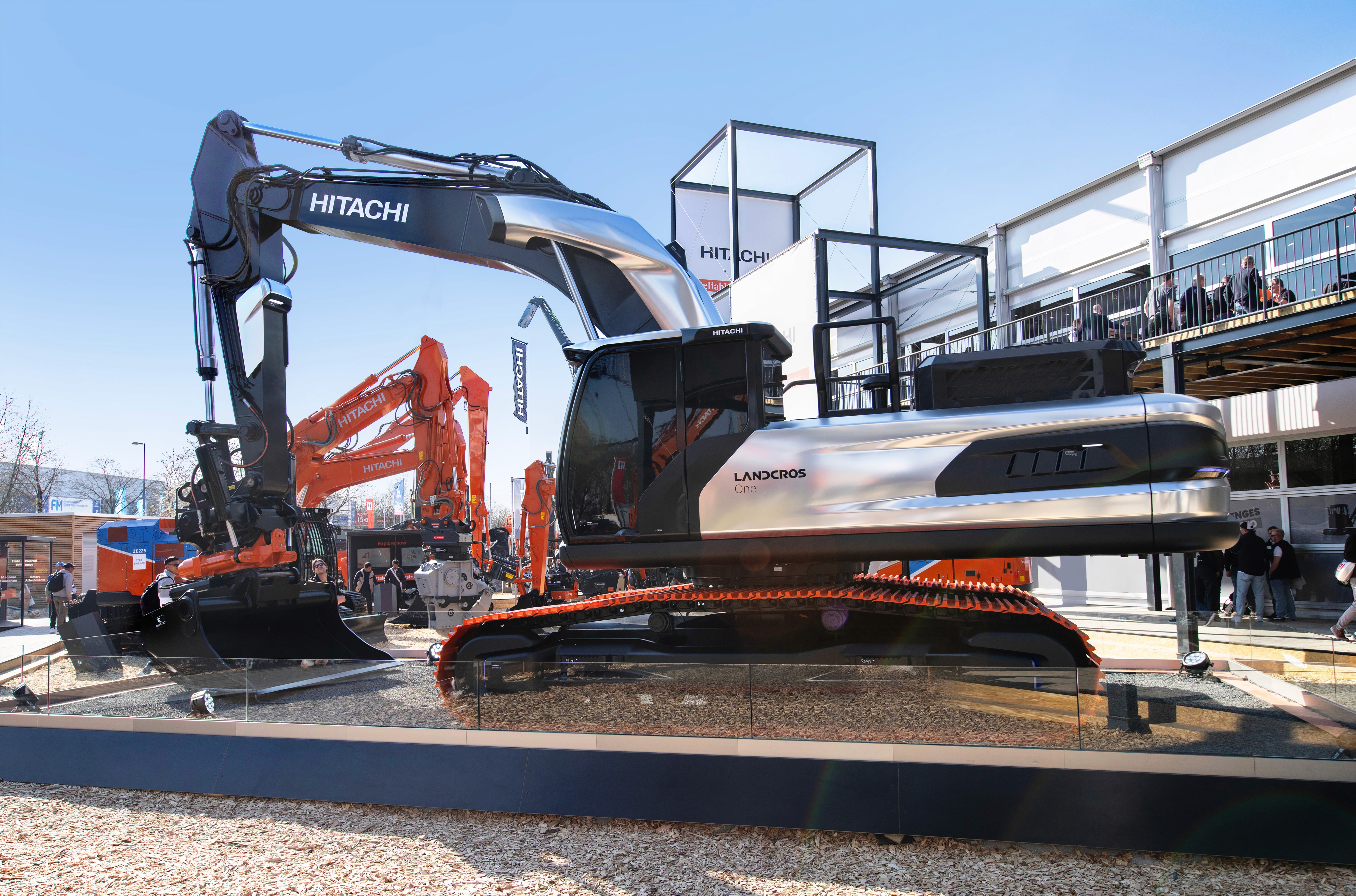
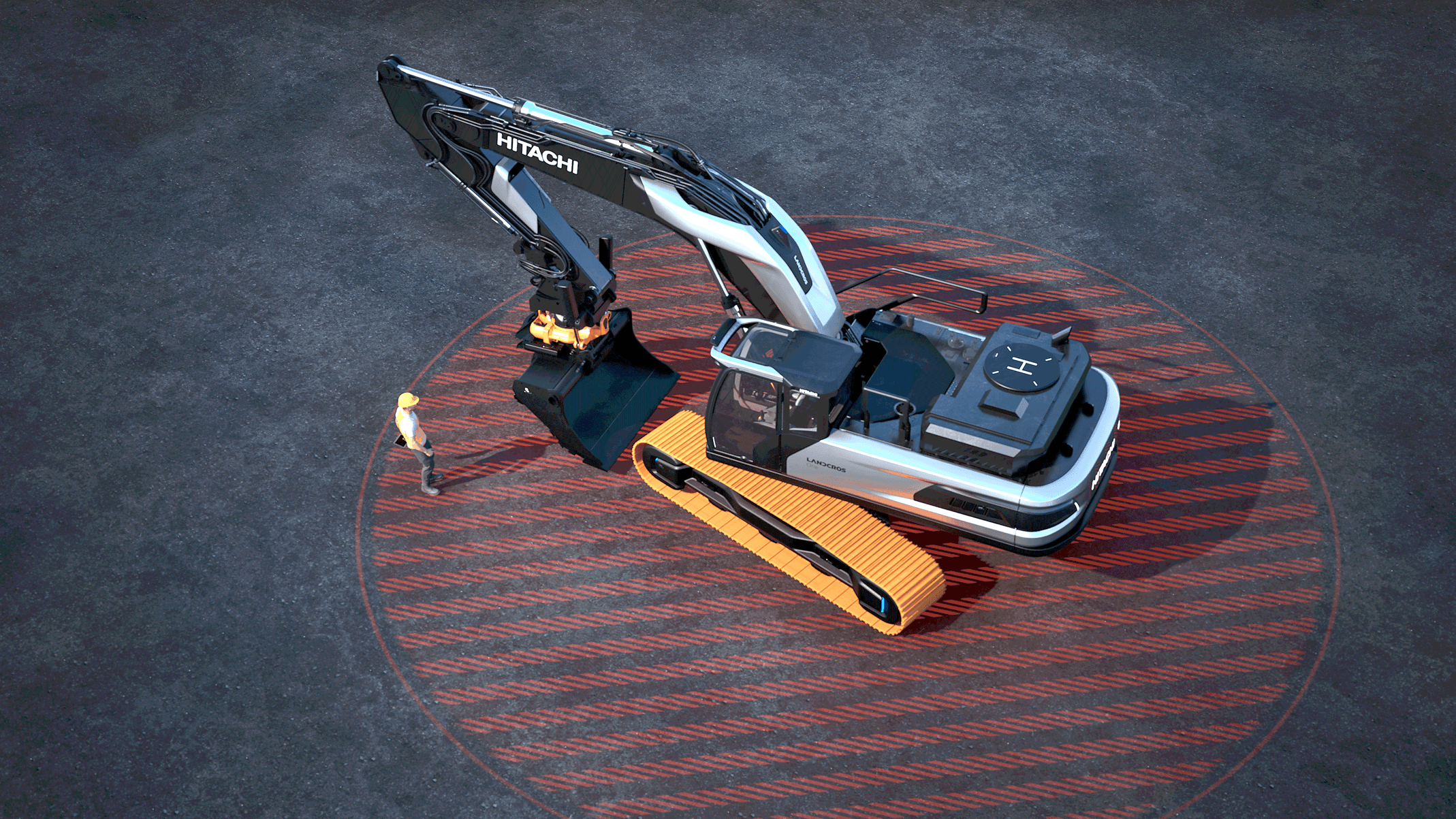
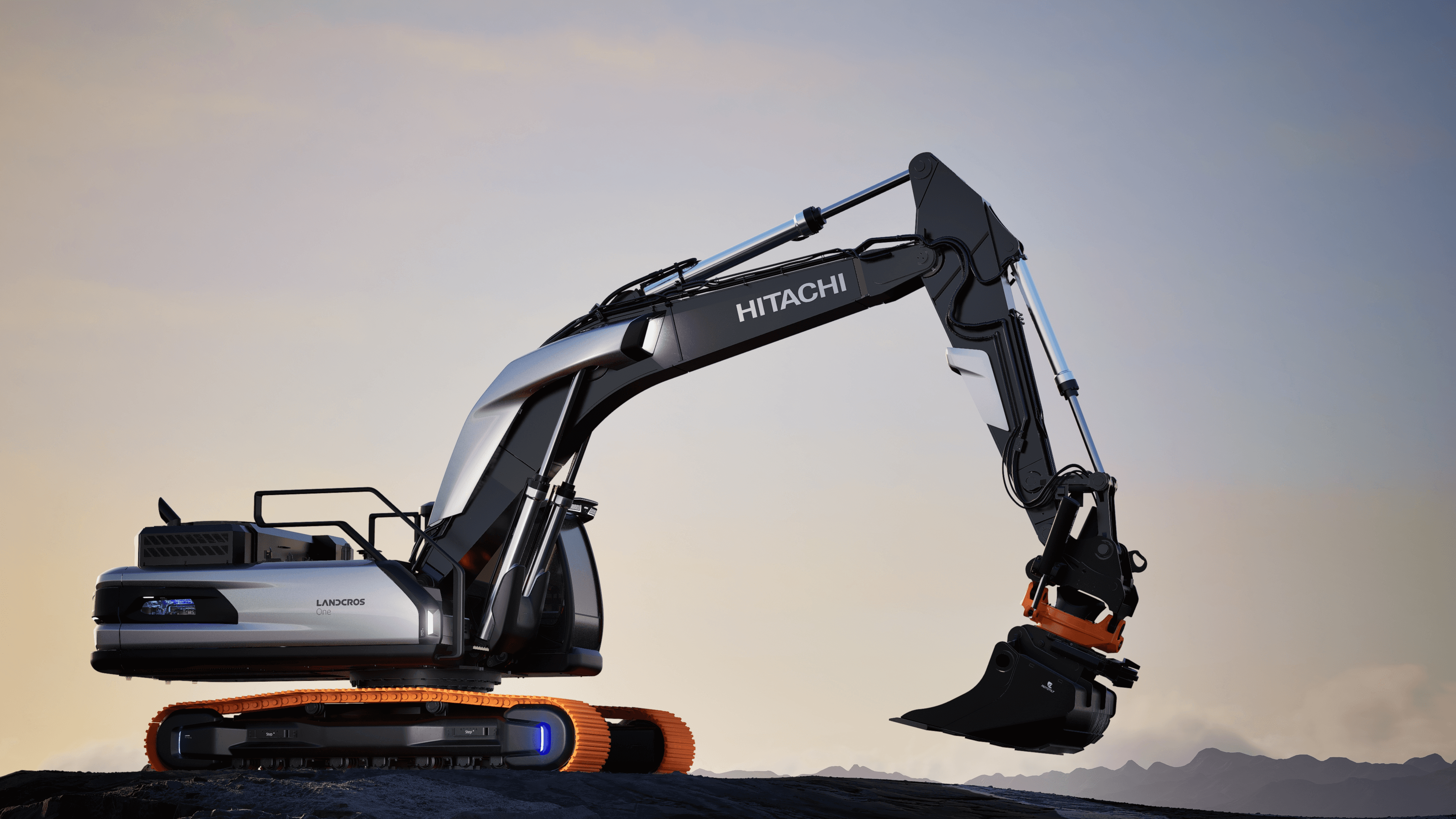
Hitachi set out to envision the future of excavators for Bauma 2025. The ambition was to move beyond conventional machine design and explore how advanced technology, digital intelligence, and physical interaction could form a more intuitive operator experience.
ROLE
Granstudio partnered as a strategic design collaborator, shaping the vision, user experience, and full-scale concept from early research to physical prototype.
THE SHIFT
Where technology moves as intuitively as the human body.
The project was not about redesigning an excavator, but about redefining how heavy machinery relates to its operator. Instead of centering on controls and performance alone, the focus shifted toward human intuition, making technology feel like a natural extension of the body.
APPROACH
SENSE
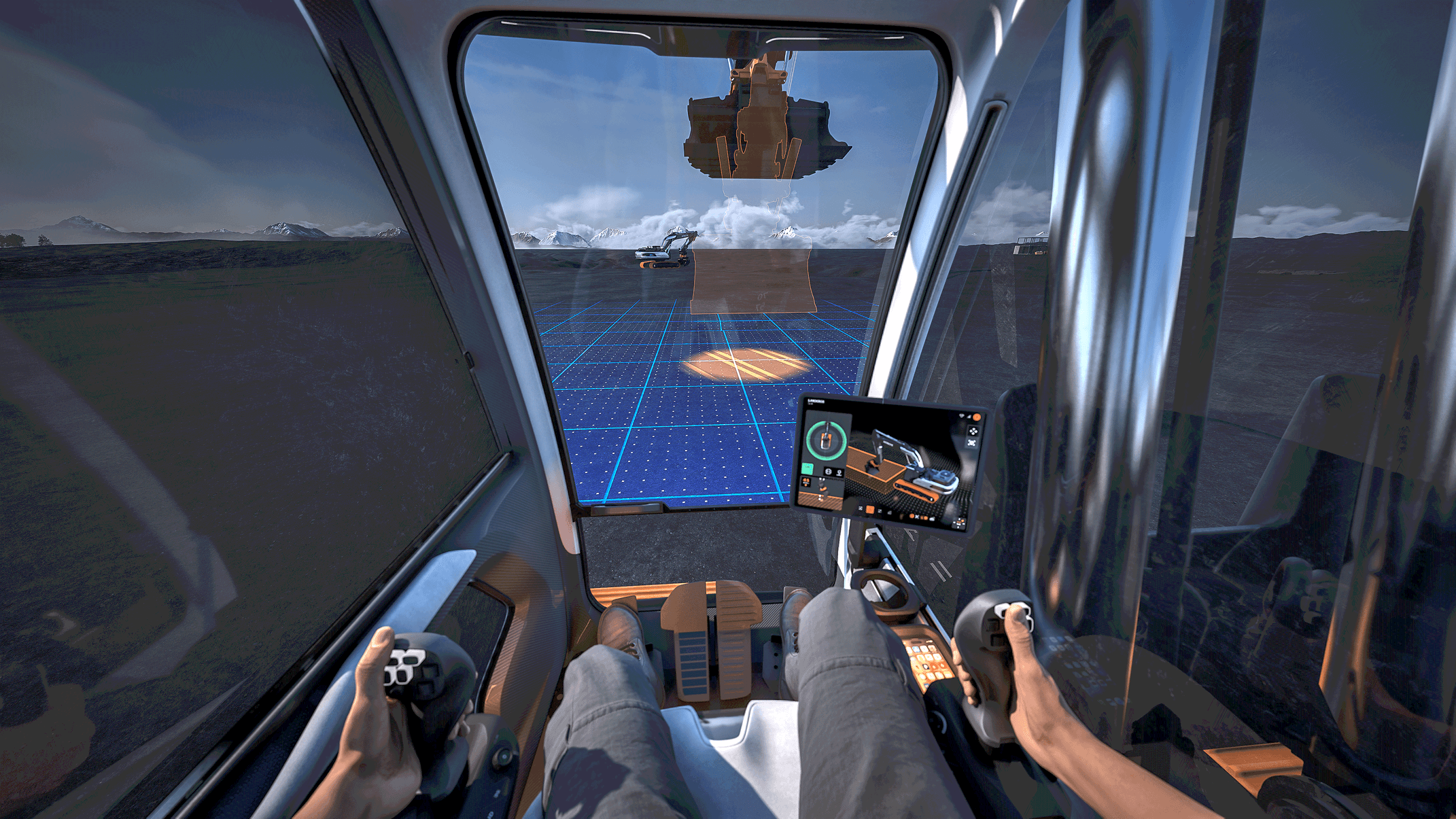
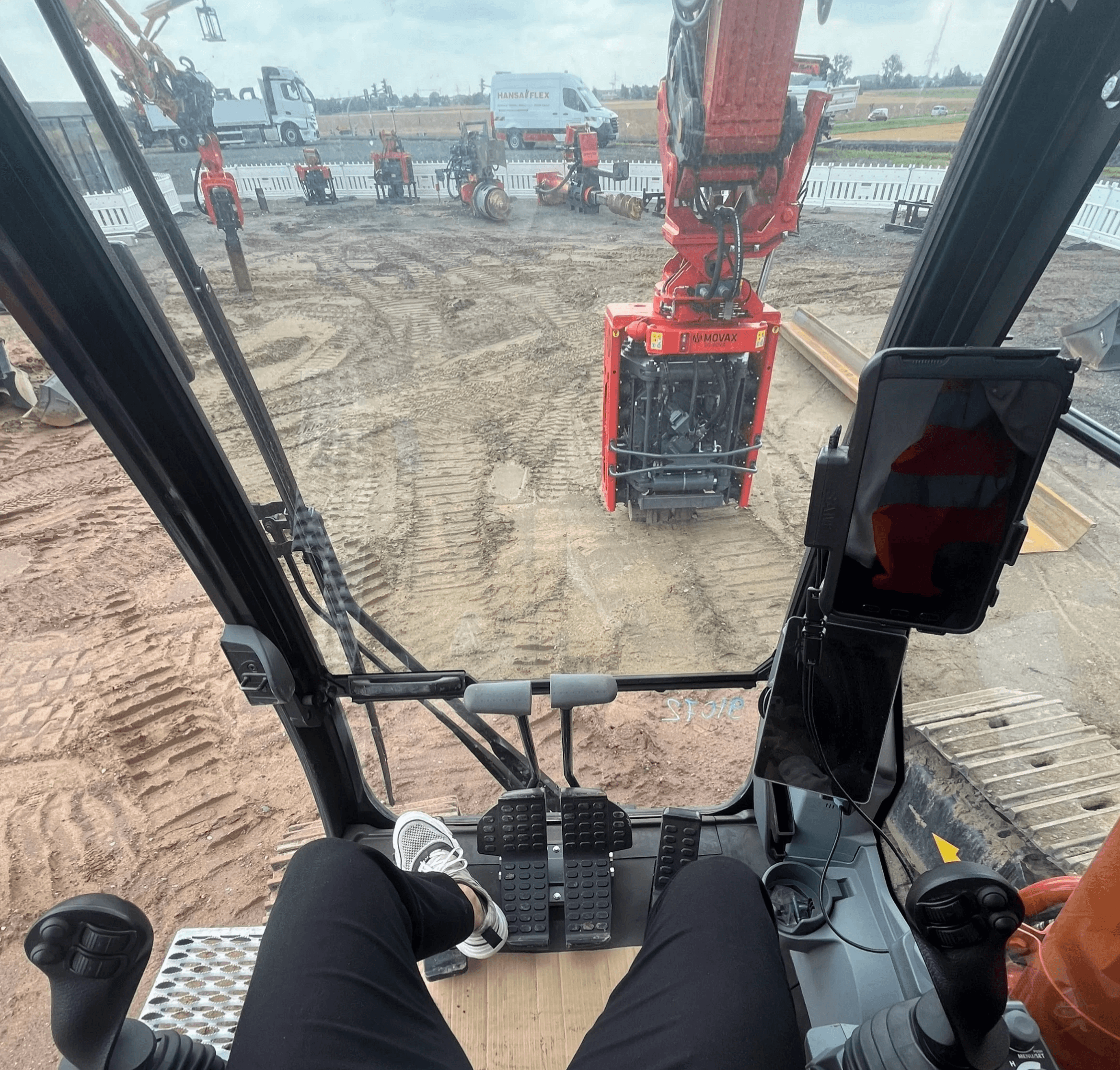
We foregrounded human needs, investigating how operators work, fatigue, visibility challenges, and the cognitive load of complex environments to inform a more intuitive interface.
SHAPE
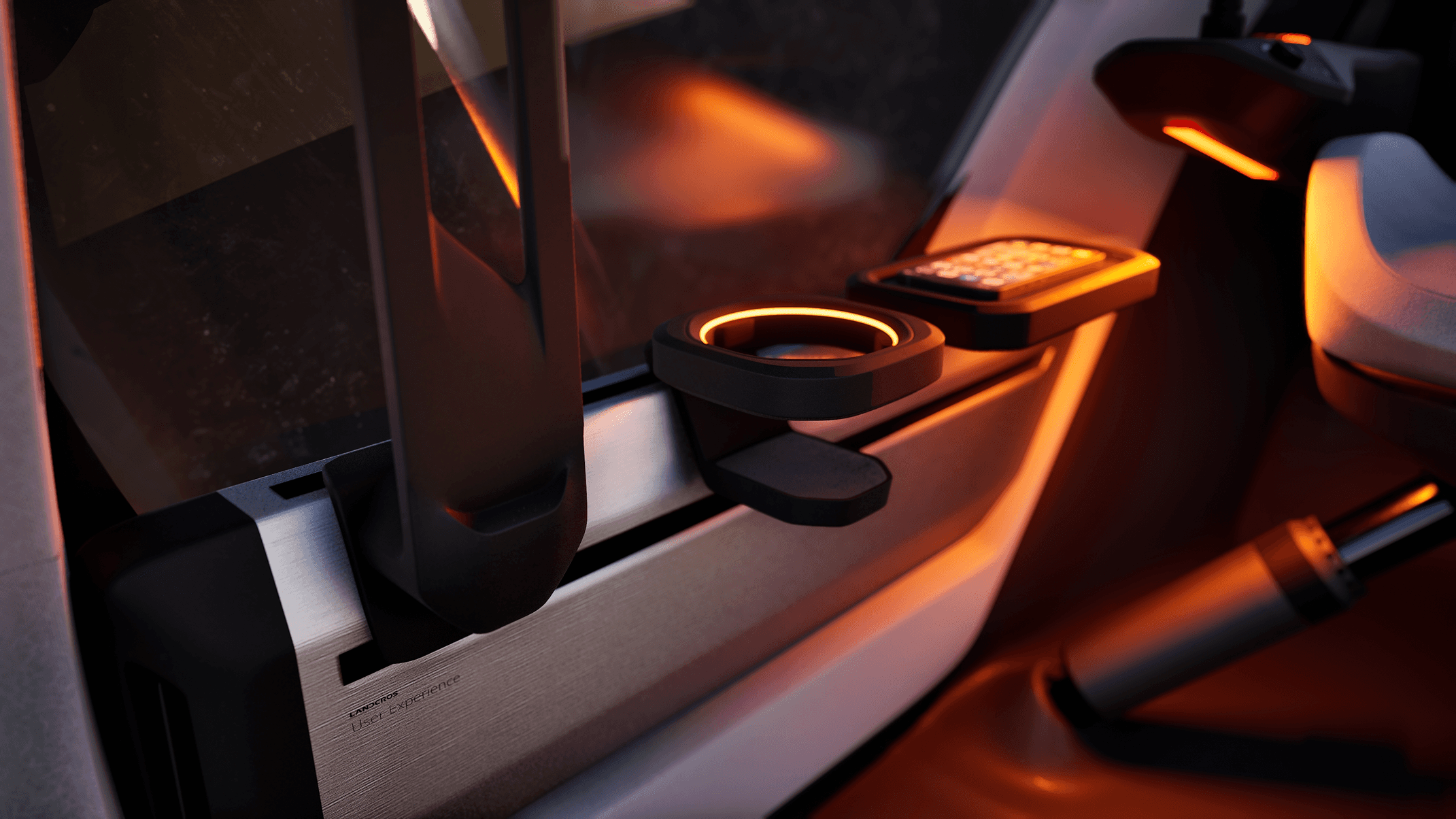
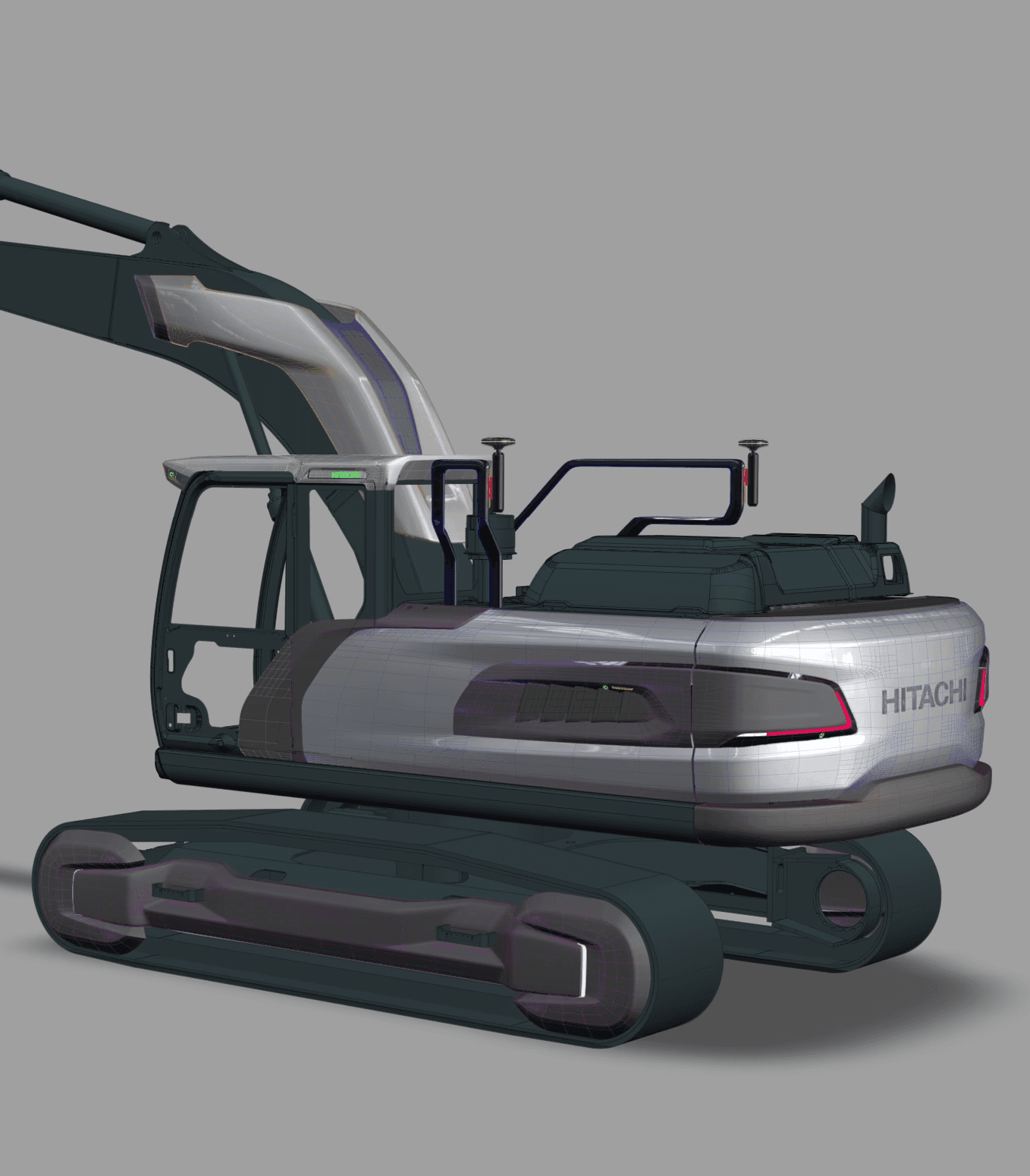
Through redesign of the cabin and controls, we reduced visual clutter, improved ergonomics, and blended physical and digital elements into a seamless phygital environment.
MAKE
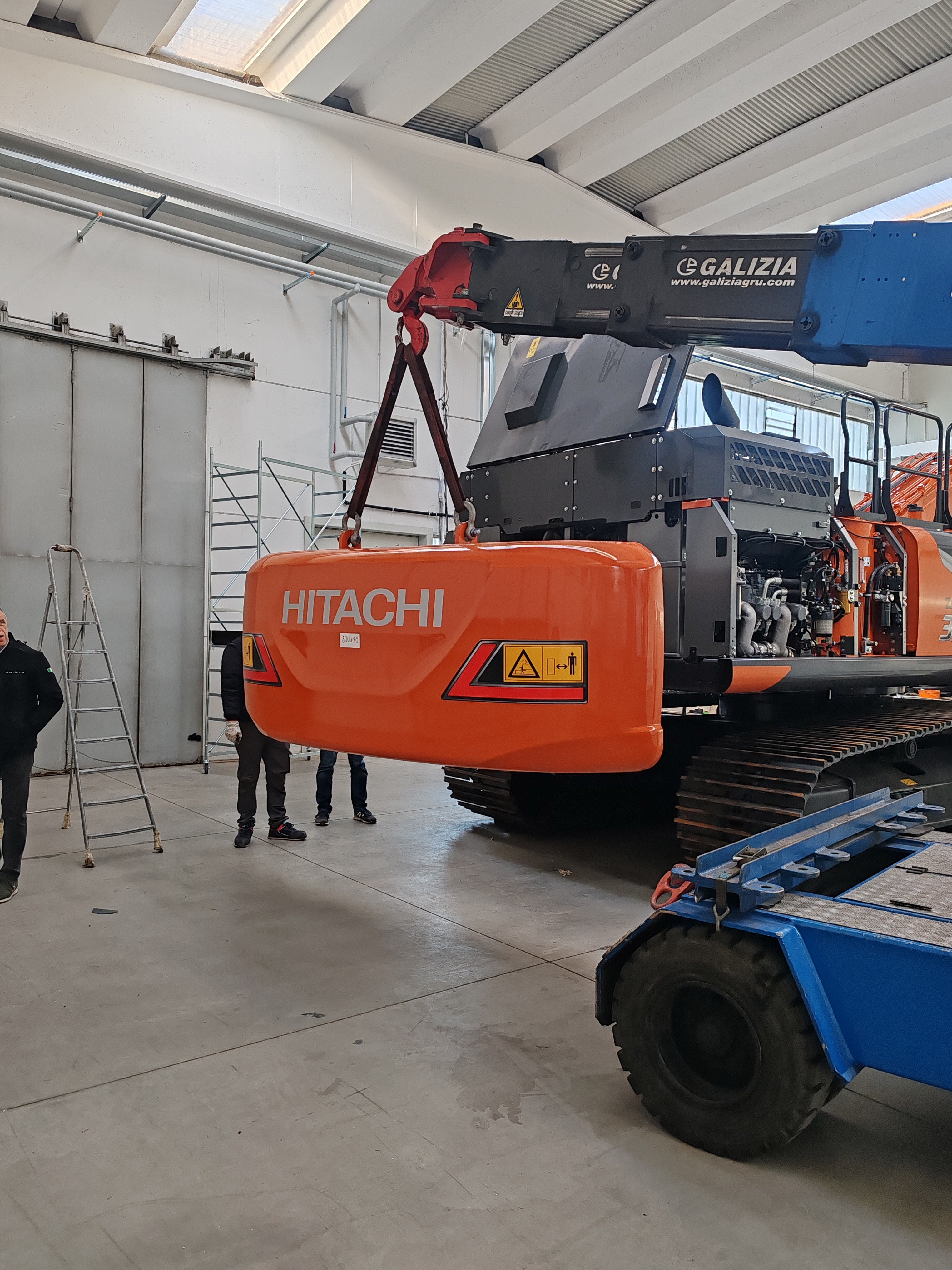
We translated concepts into a full-scale physical model for Bauma 2025, aligning design intent with technology capabilities and translating strategy into something tangible that users can experience firsthand.
OUTCOME
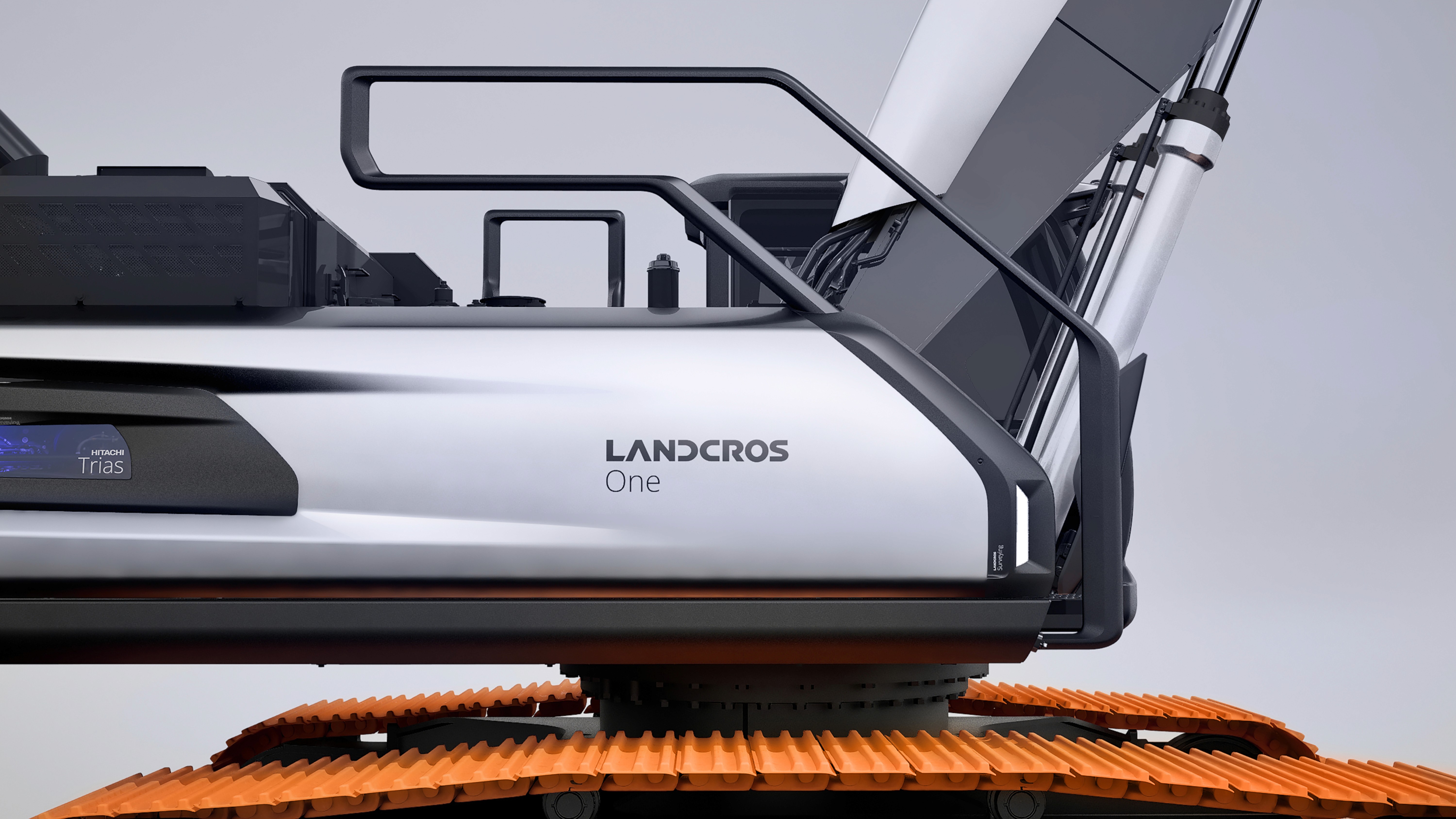
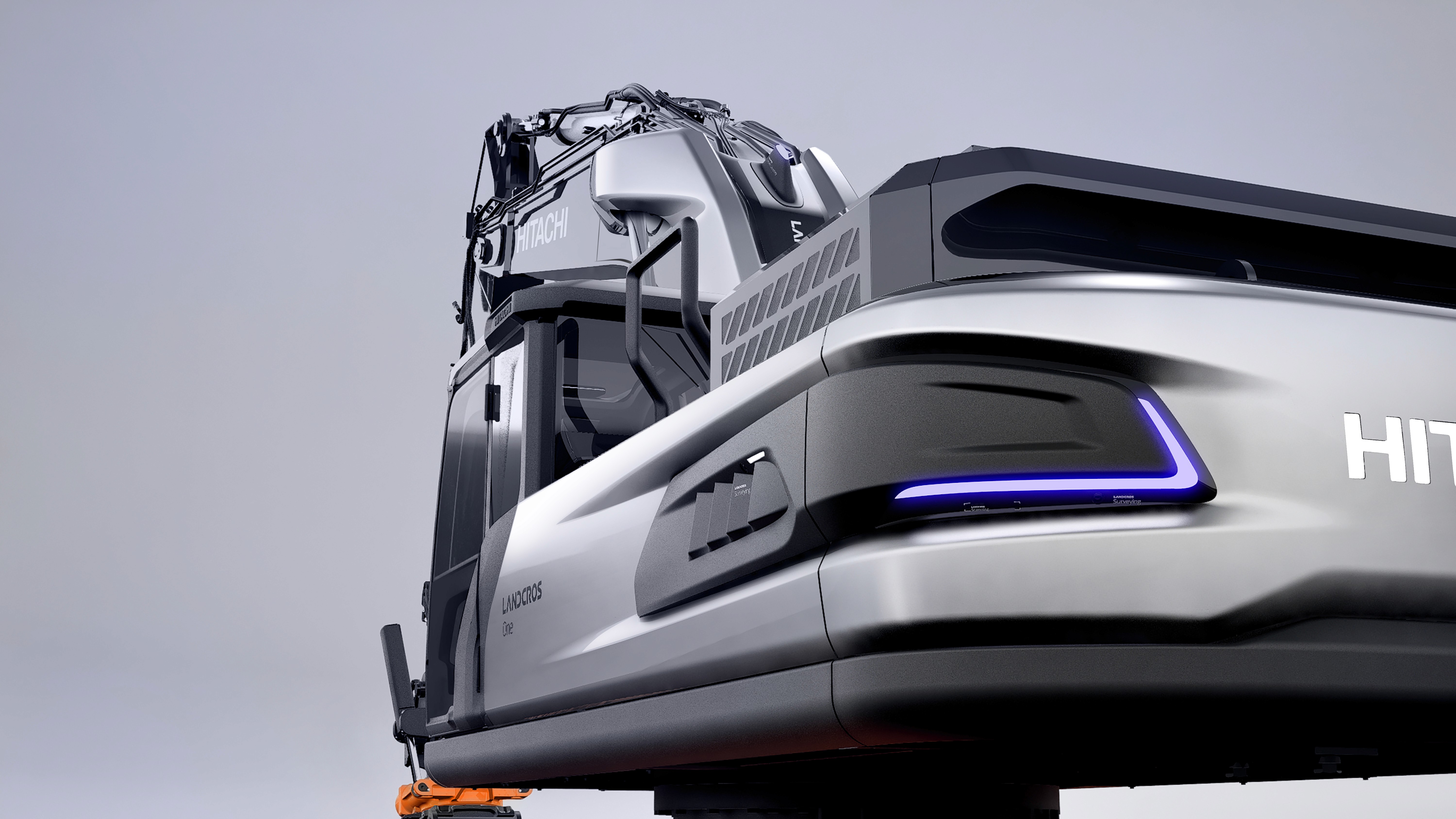
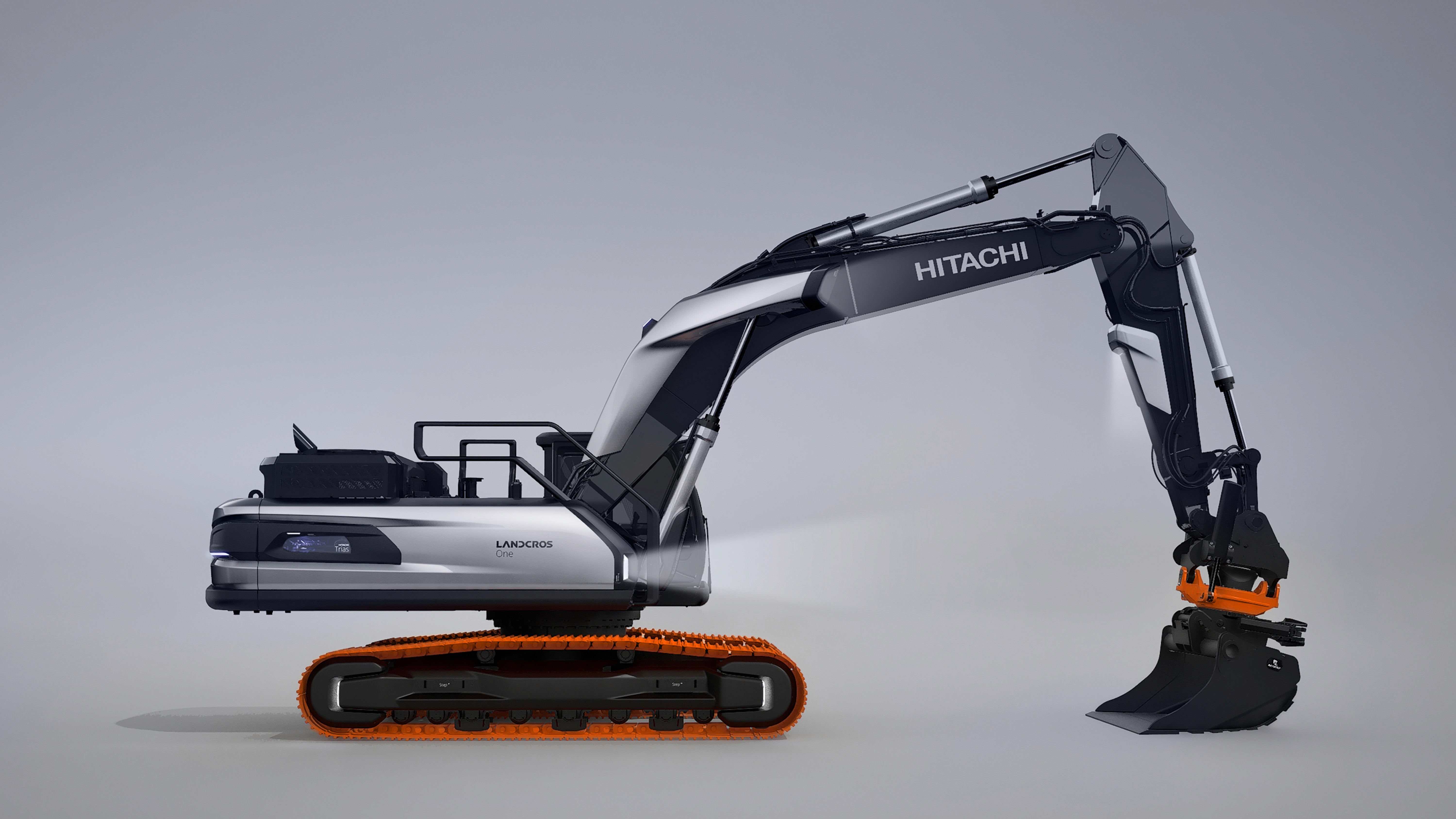
WHAT CHANGED
shift from machine-centric optimization to human-centric integration.
Heavy equipment design shifted from machine-centric optimization to human-centric integration. Early experiential validation aligned engineering, UX, and brand strategy, setting a new benchmark for intelligent, intuitive construction machinery.