2023
Internal
interaction
mOSaic
CONTEXT
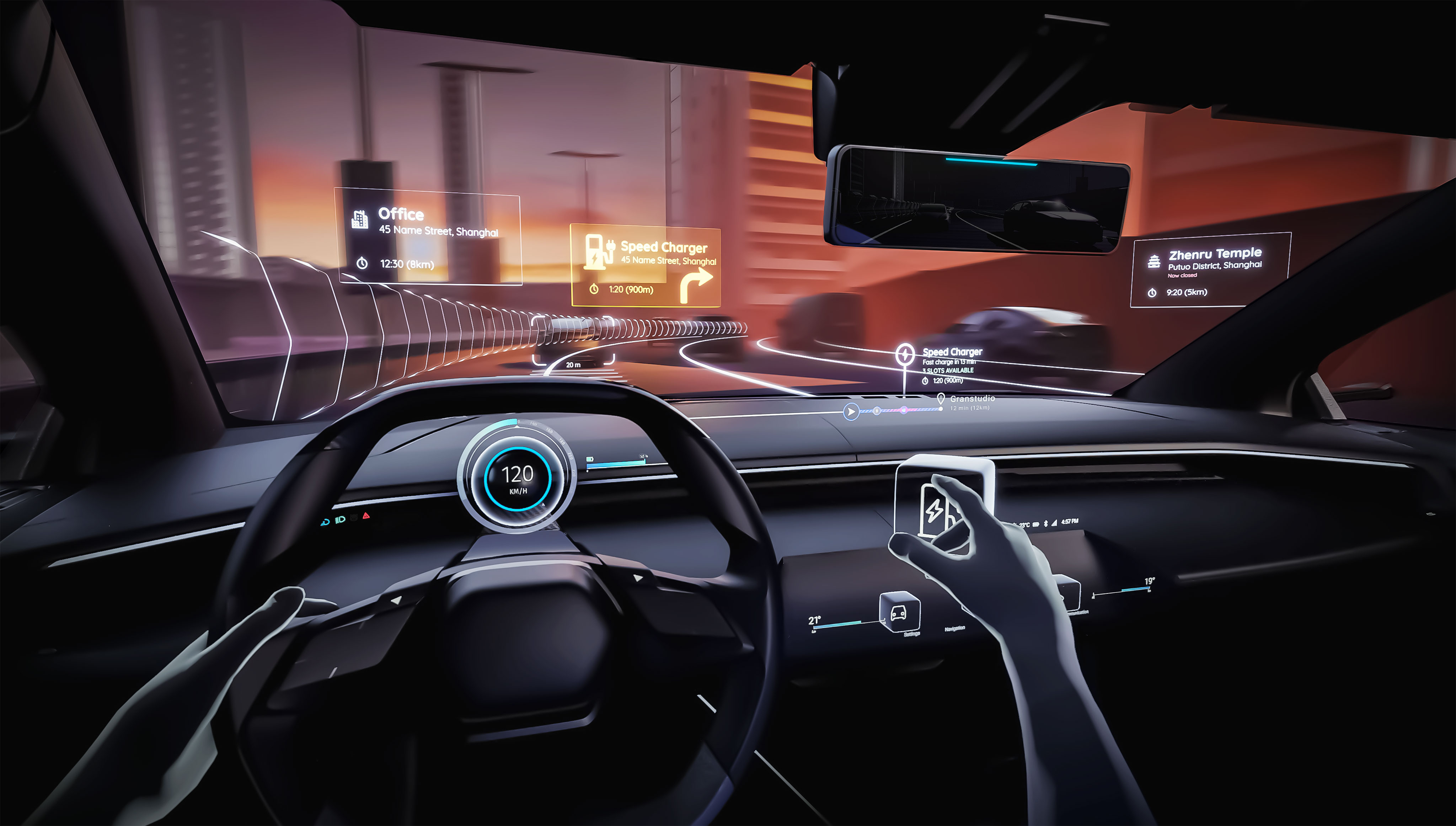
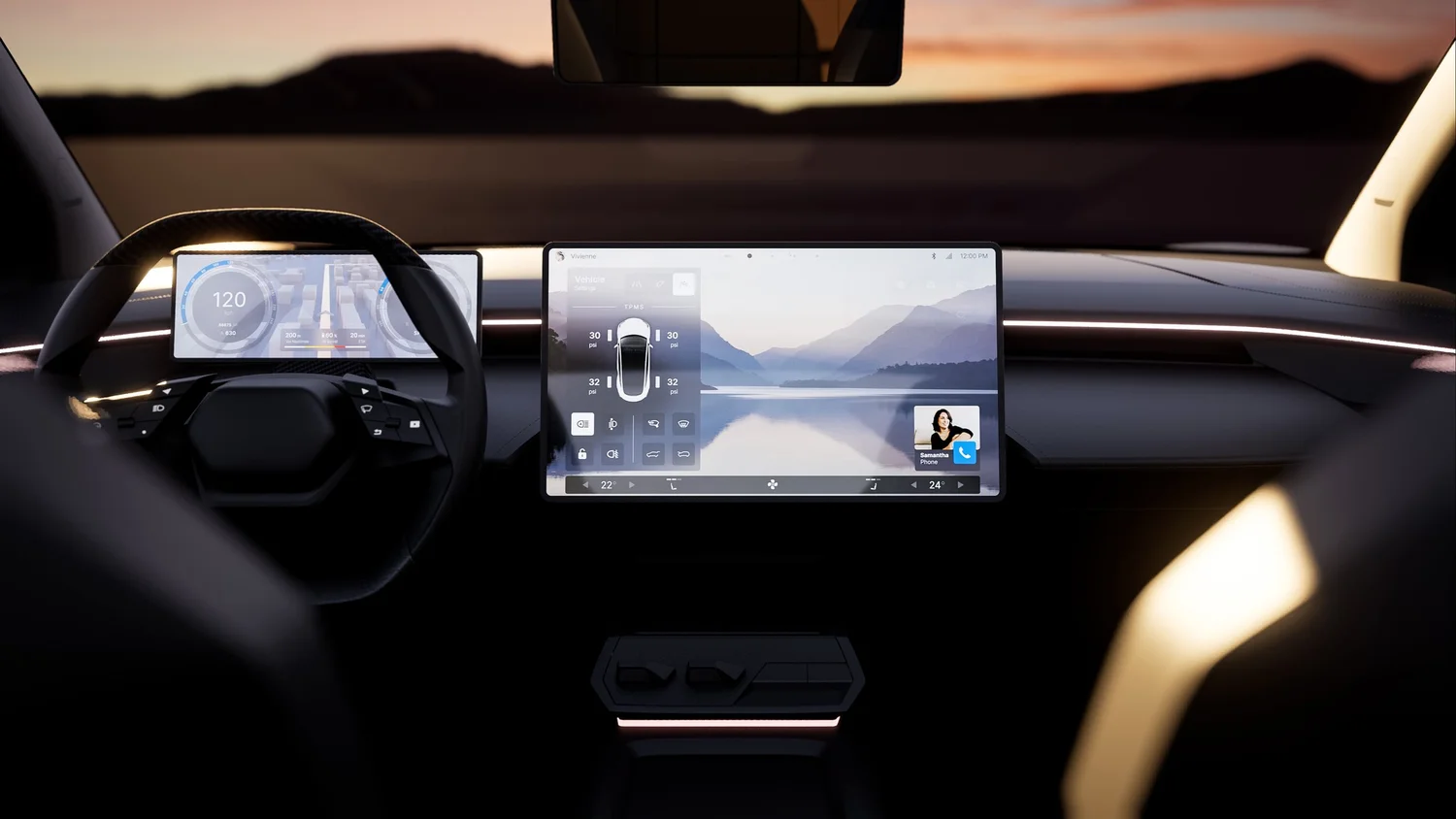
mOSaic is Granstudio’s internal research project exploring a highly customizable operating system for vehicle HMI. It was developed to rethink automotive UX/UI through modular smart tiles, user-centric interaction and XR-based validation.
ROLE
We conceived and developed mOSaic as a transdisciplinary research initiative, combining user research, benchmarking, interaction design, XR prototyping with DigiPHY and digital marketing into a unified HMI vision.
THE SHIFT
From fixed HMI to adaptive digital experiences
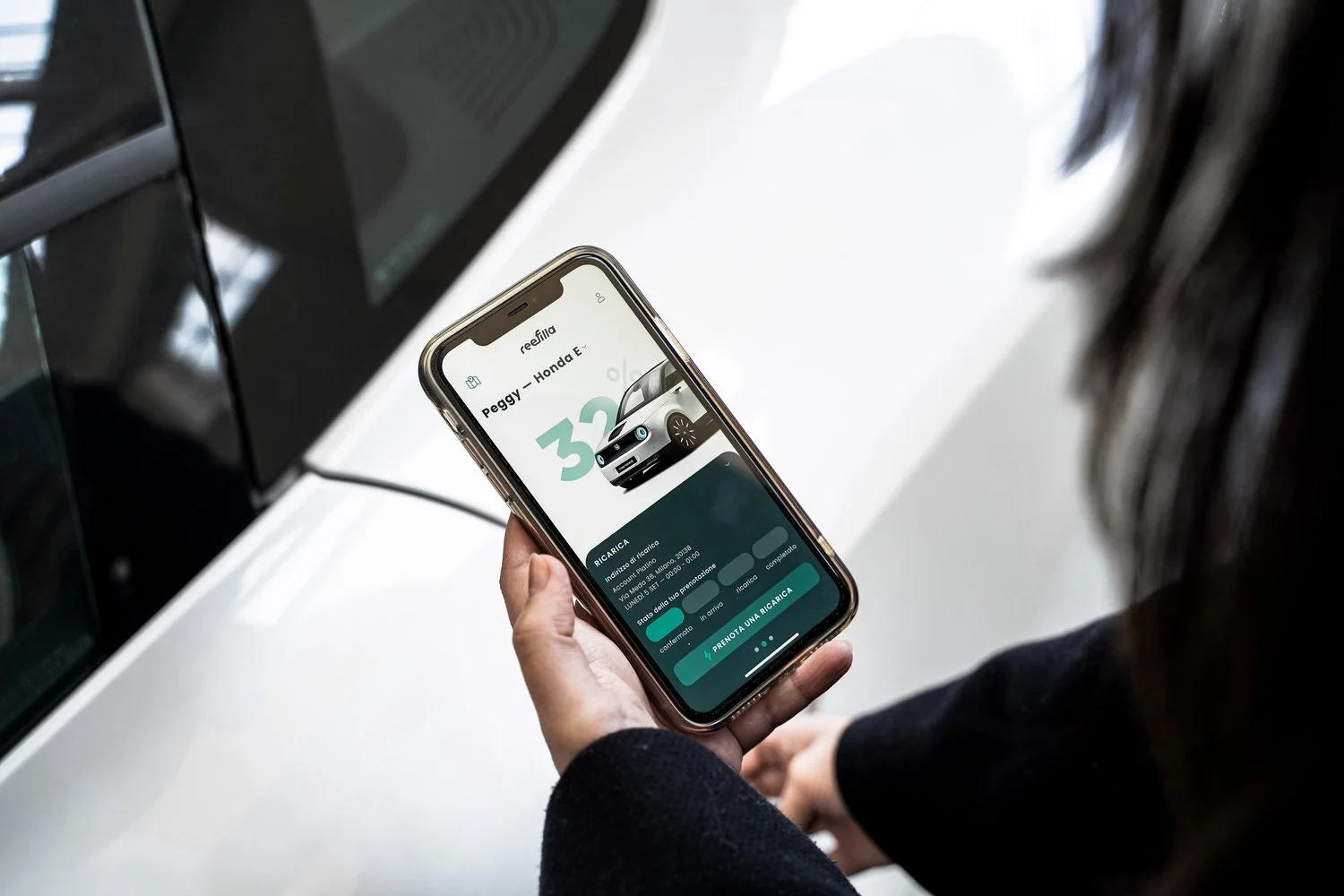
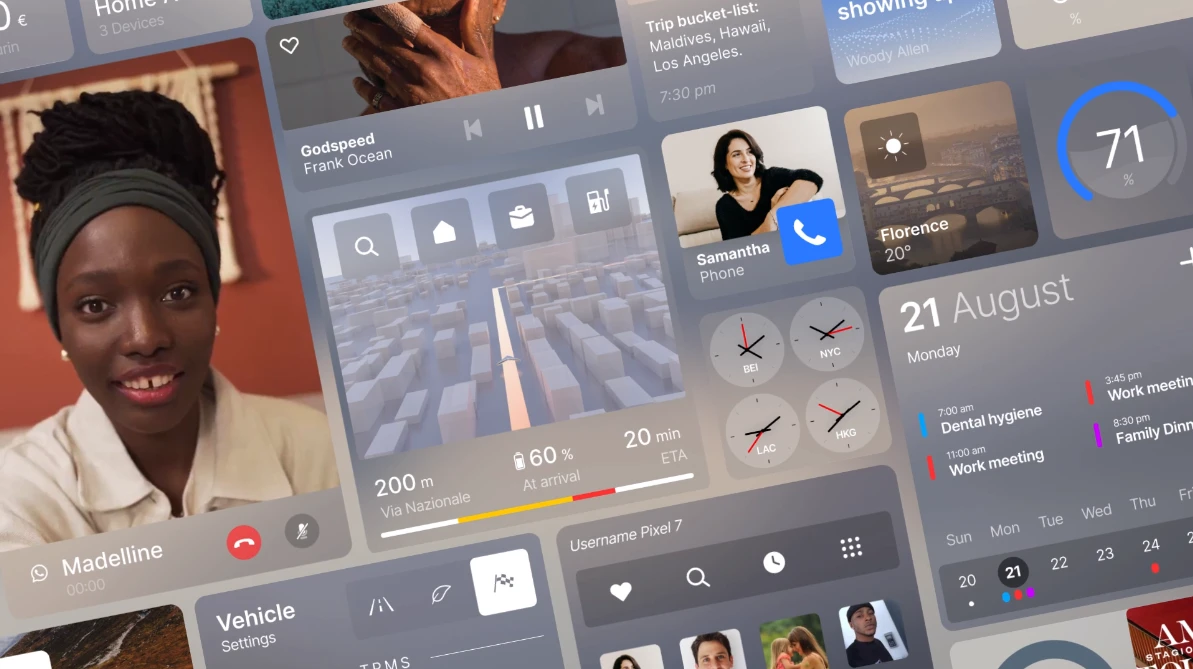
Current vehicle HMIs often offer limited personalization compared to the flexibility users expect from their digital devices. mOSaic was created to explore a more intuitive, modular and user-defined interaction model for the in-vehicle experience.
“Say goodbye to the traditional fixed HMI and hello to a more intuitive and customizable driving experience.”
Lukasz Czekanowski, Chief Interaction Designer
APPROACH
SENSE
We started from research and benchmarking to identify key challenges in contemporary automotive HMI, including limited personalization and rigid interaction structures. This phase helped define the need for a more modular, user-centered system shaped around different preferences and personas.
SHAPE
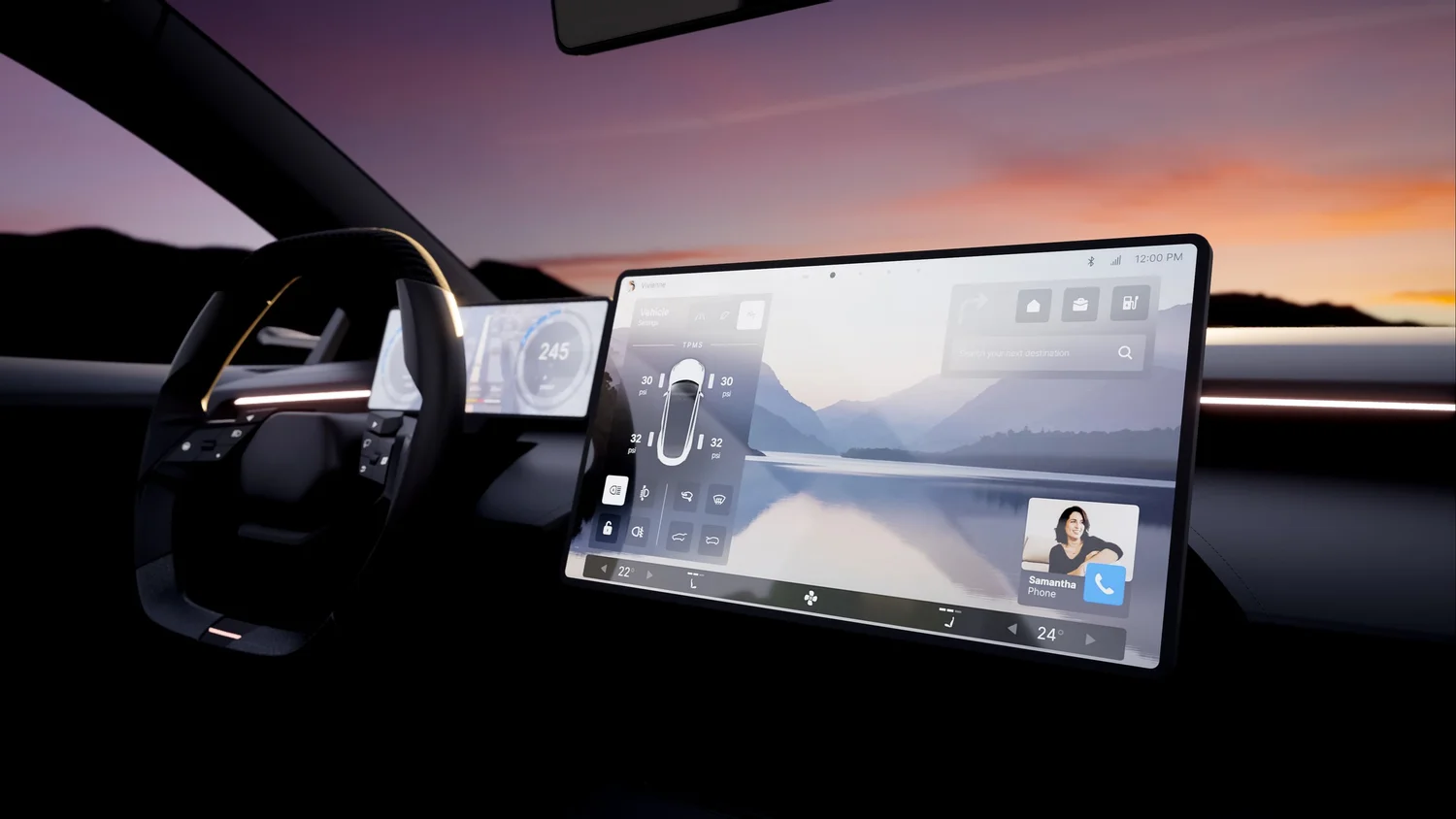
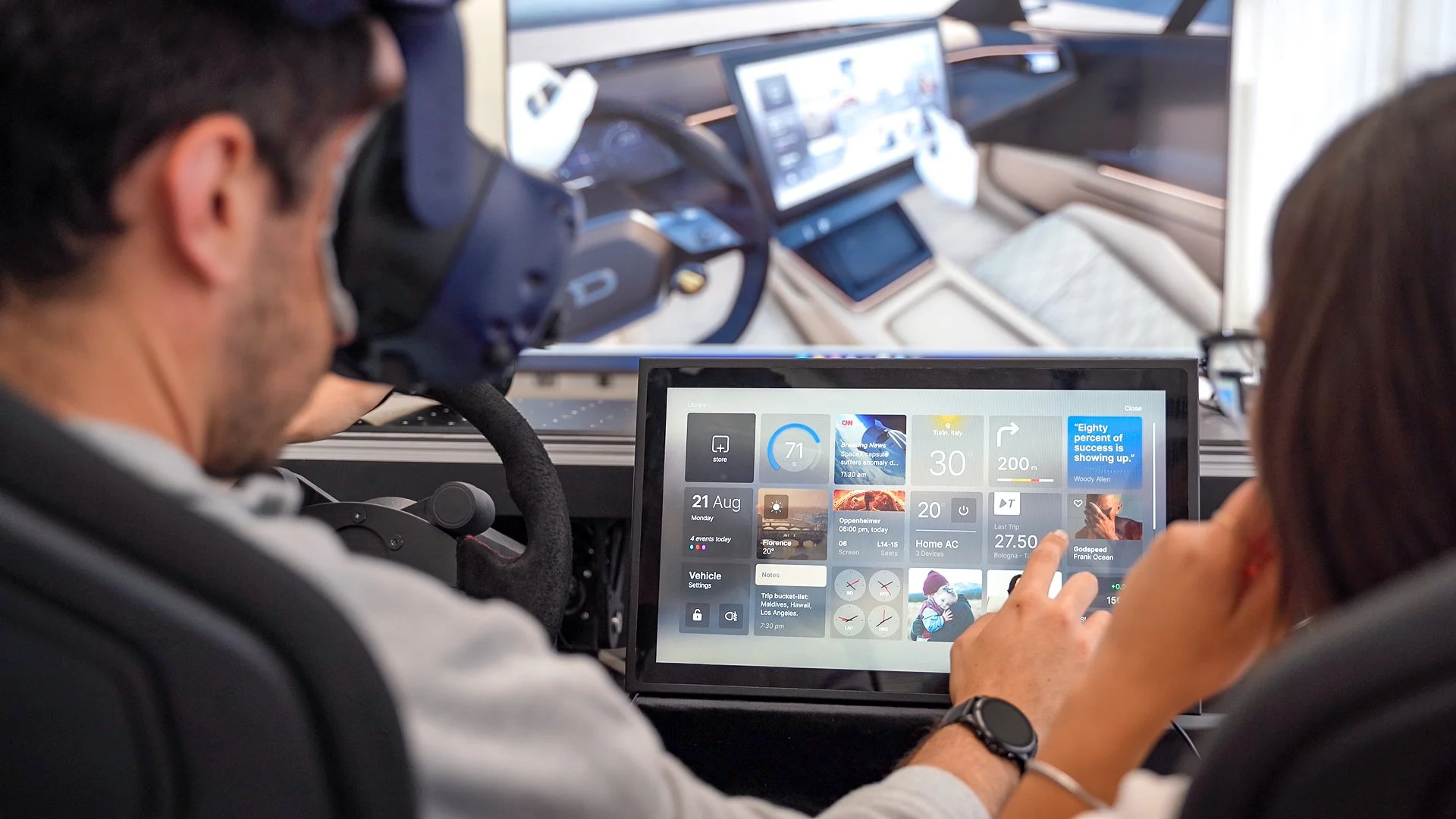
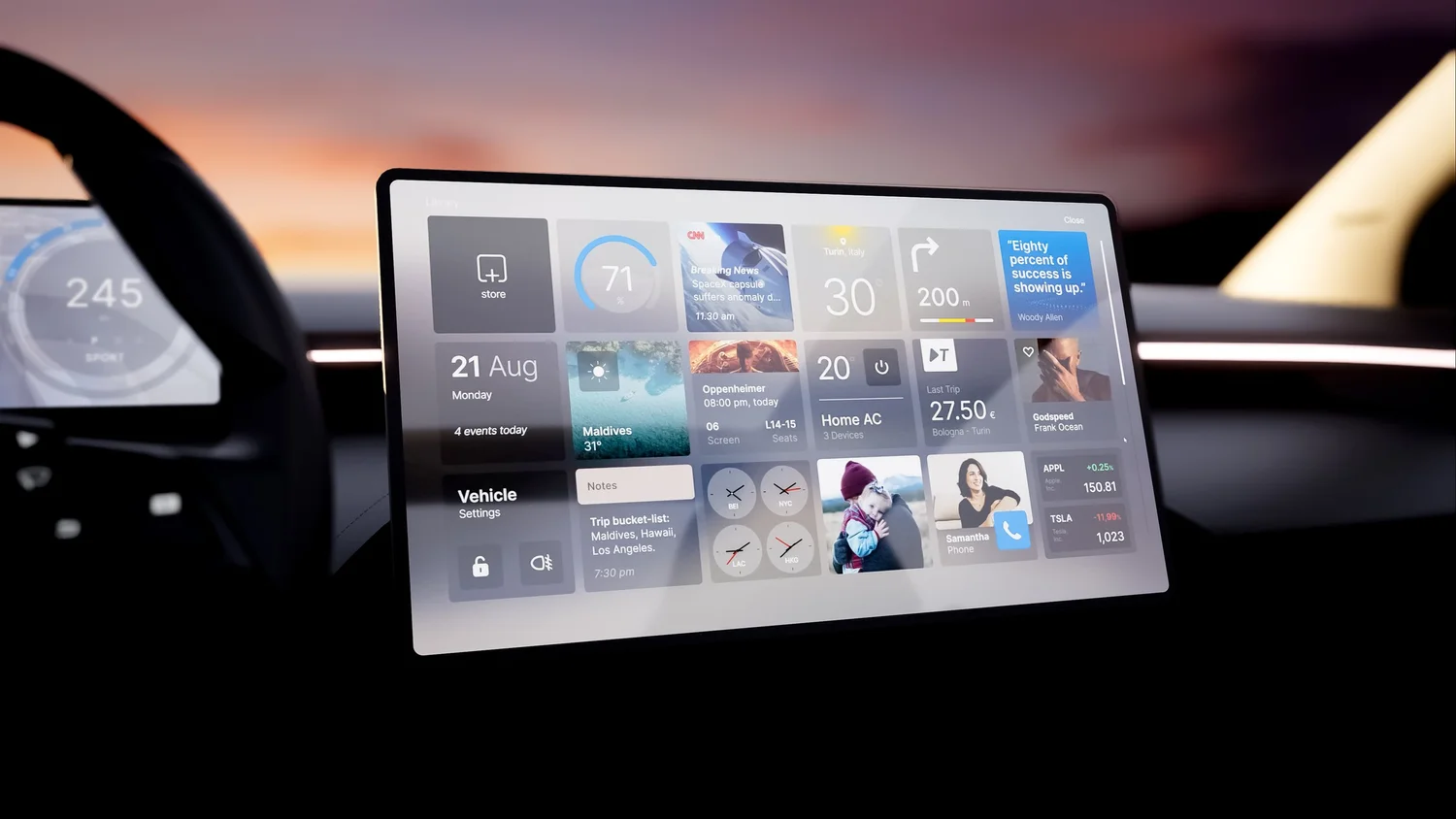
We translated these insights into a page-based operating system built around Smart Tiles. Available in multiple sizes and freely positionable on a grid, the tiles enable users to adapt layout, content and hierarchy according to their priorities, creating a flexible and personalized interface.
MAKE
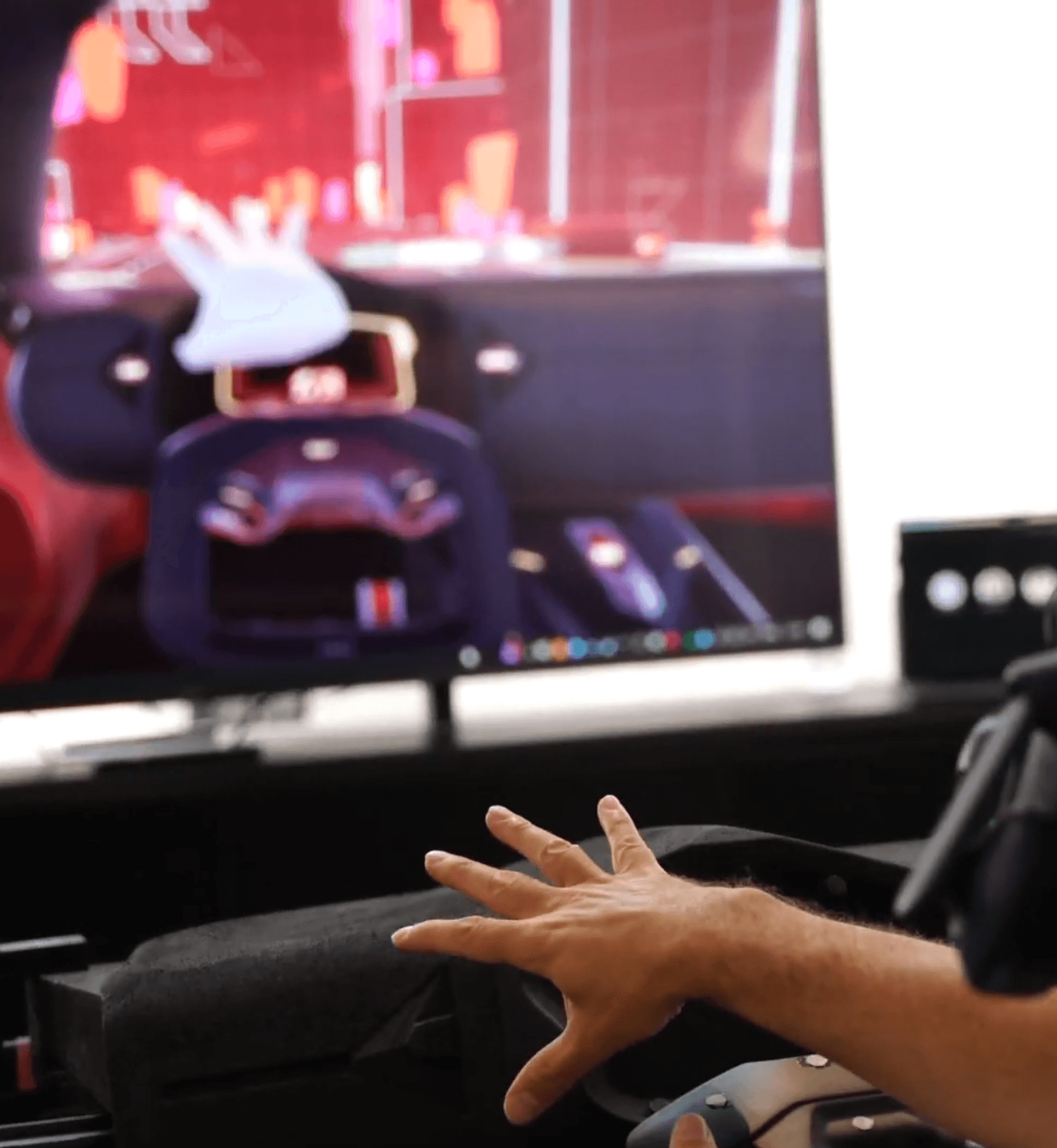
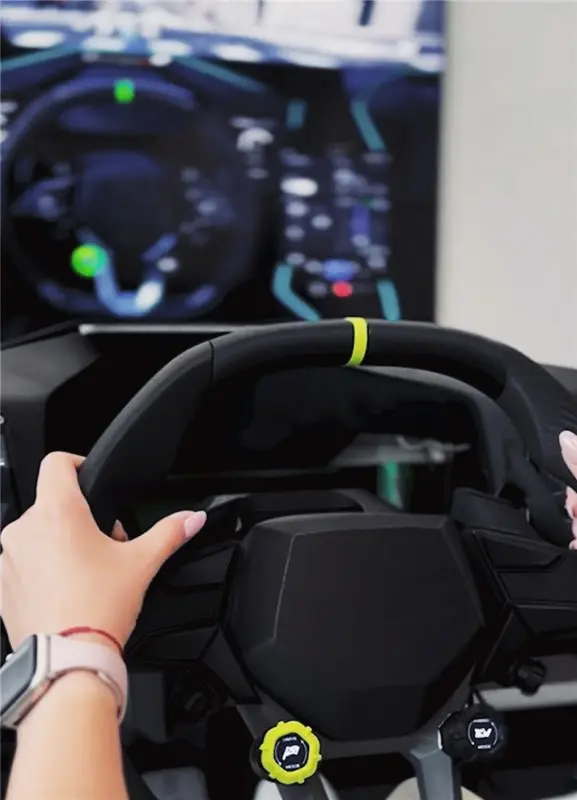
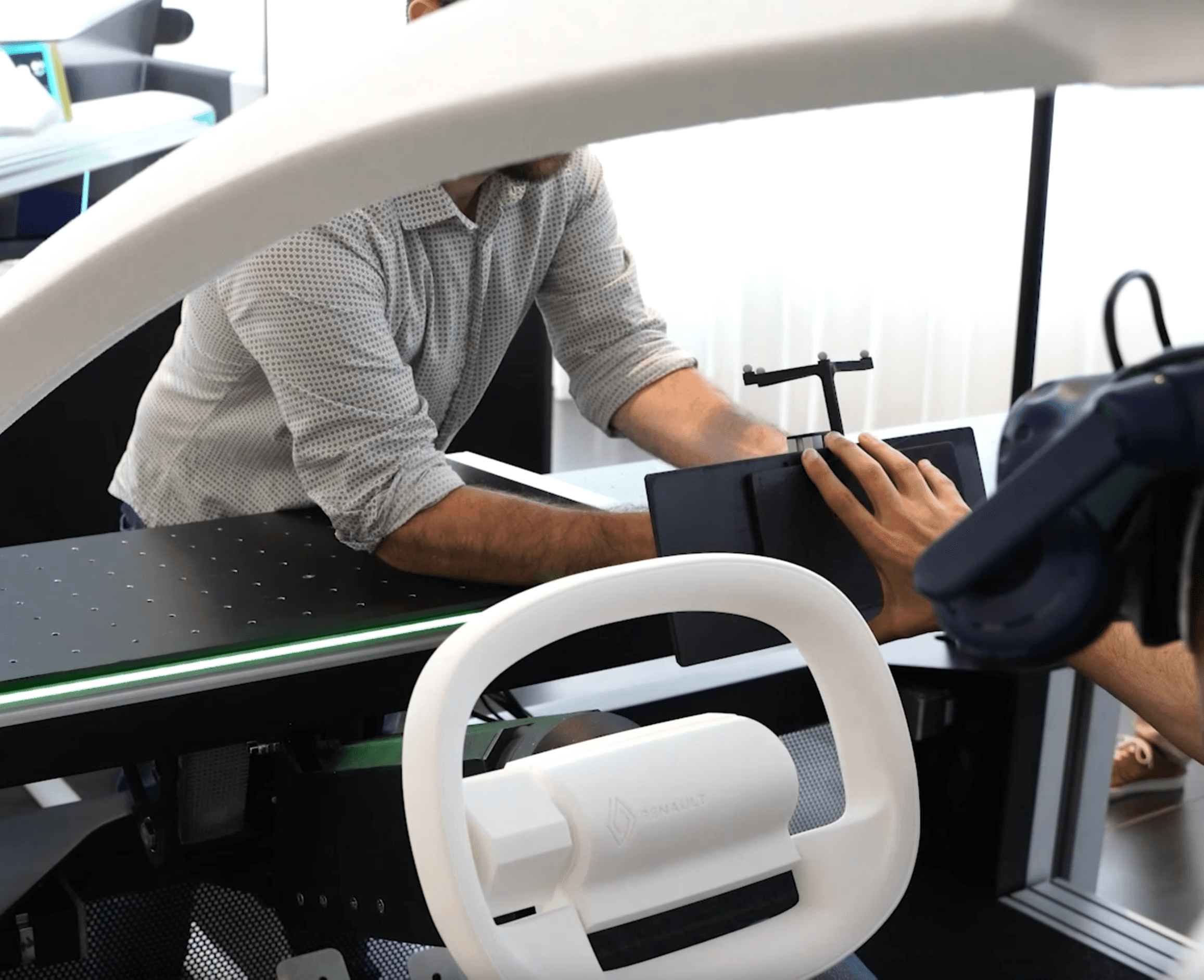
We validated the system through XR prototyping using DigiPHY, mirroring physical and virtual screens to assess usability, dimensions and interaction quality with precision. This mixed-reality workflow supported faster iteration and a smoother transition between physical and digital development.
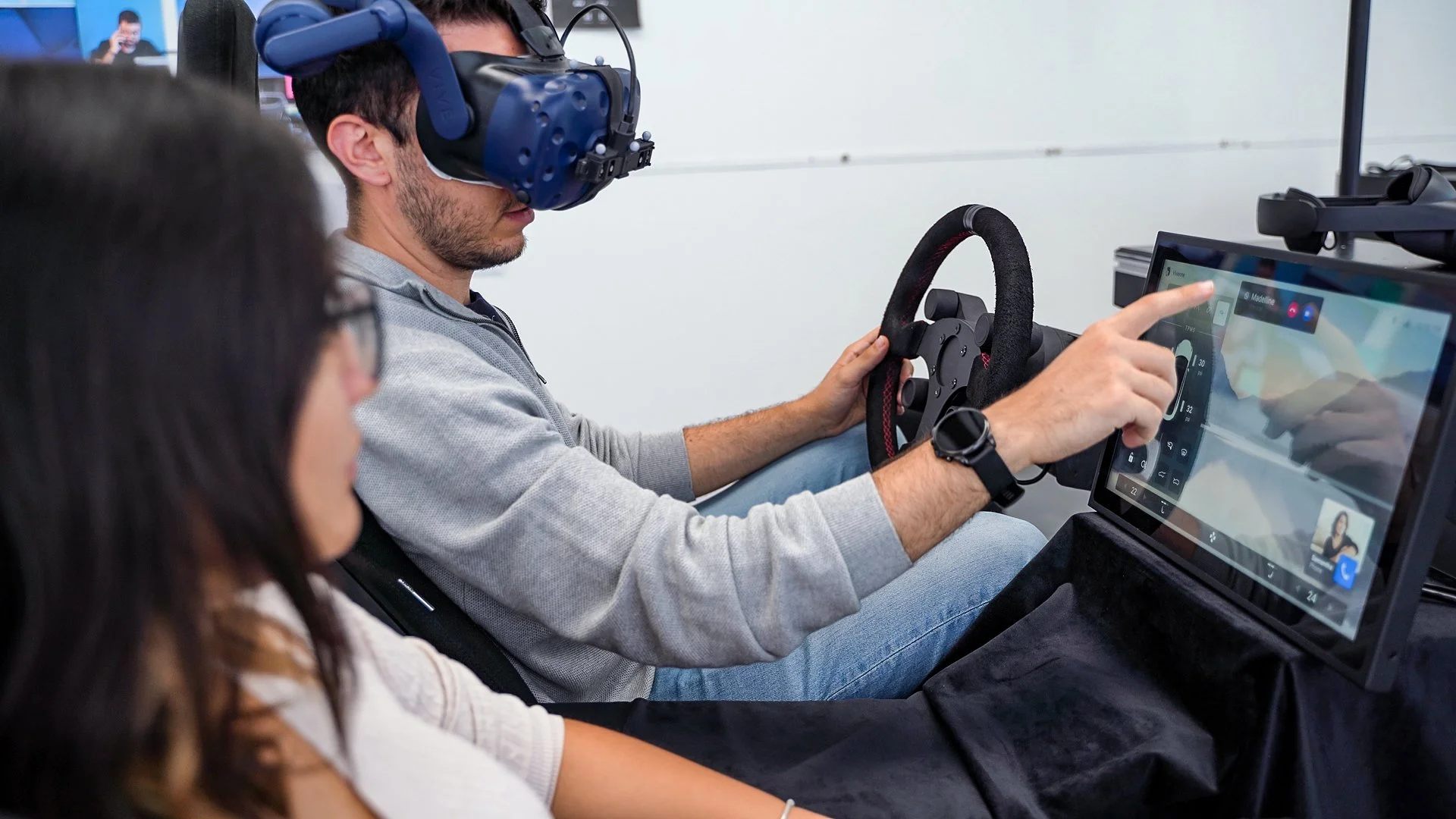
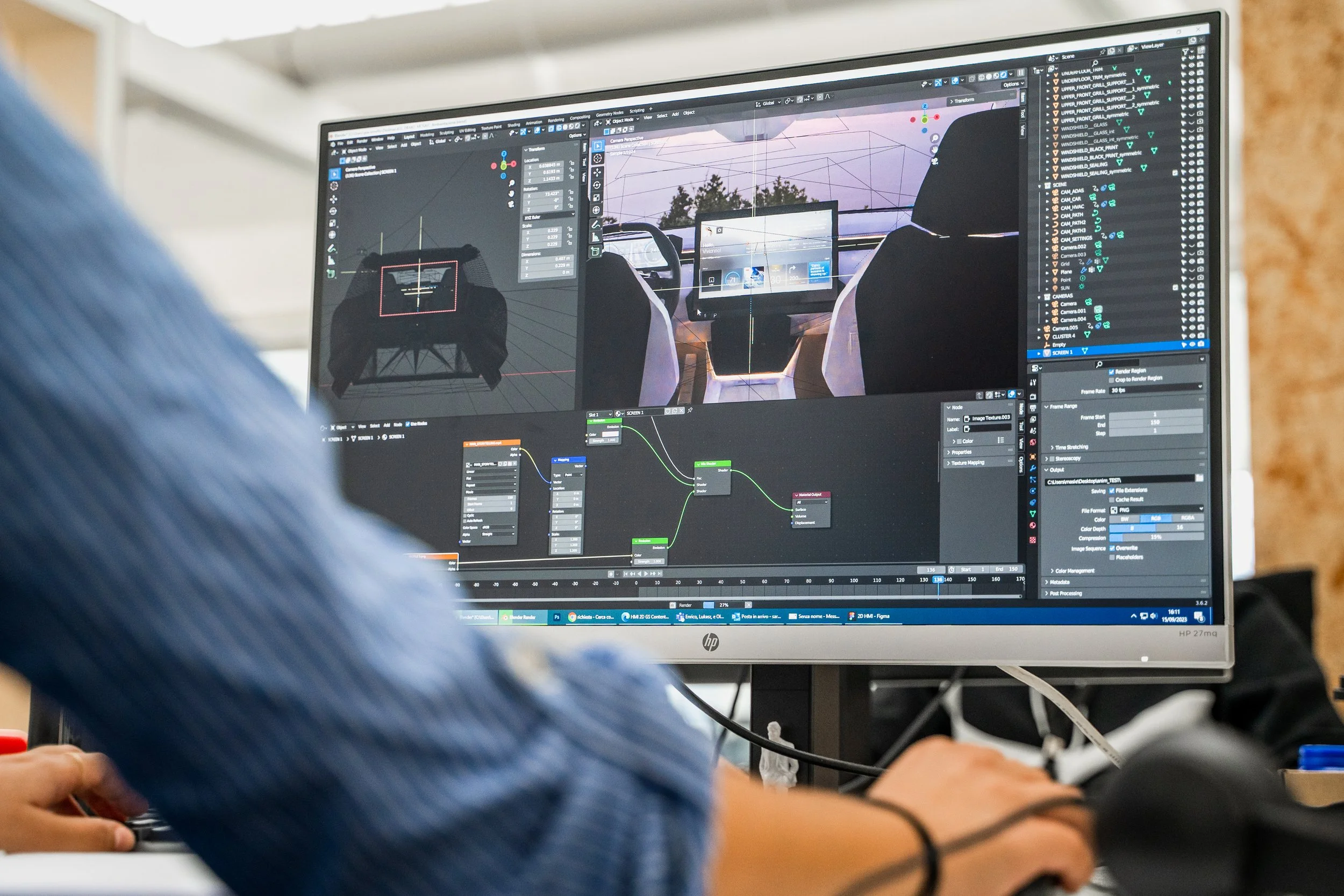
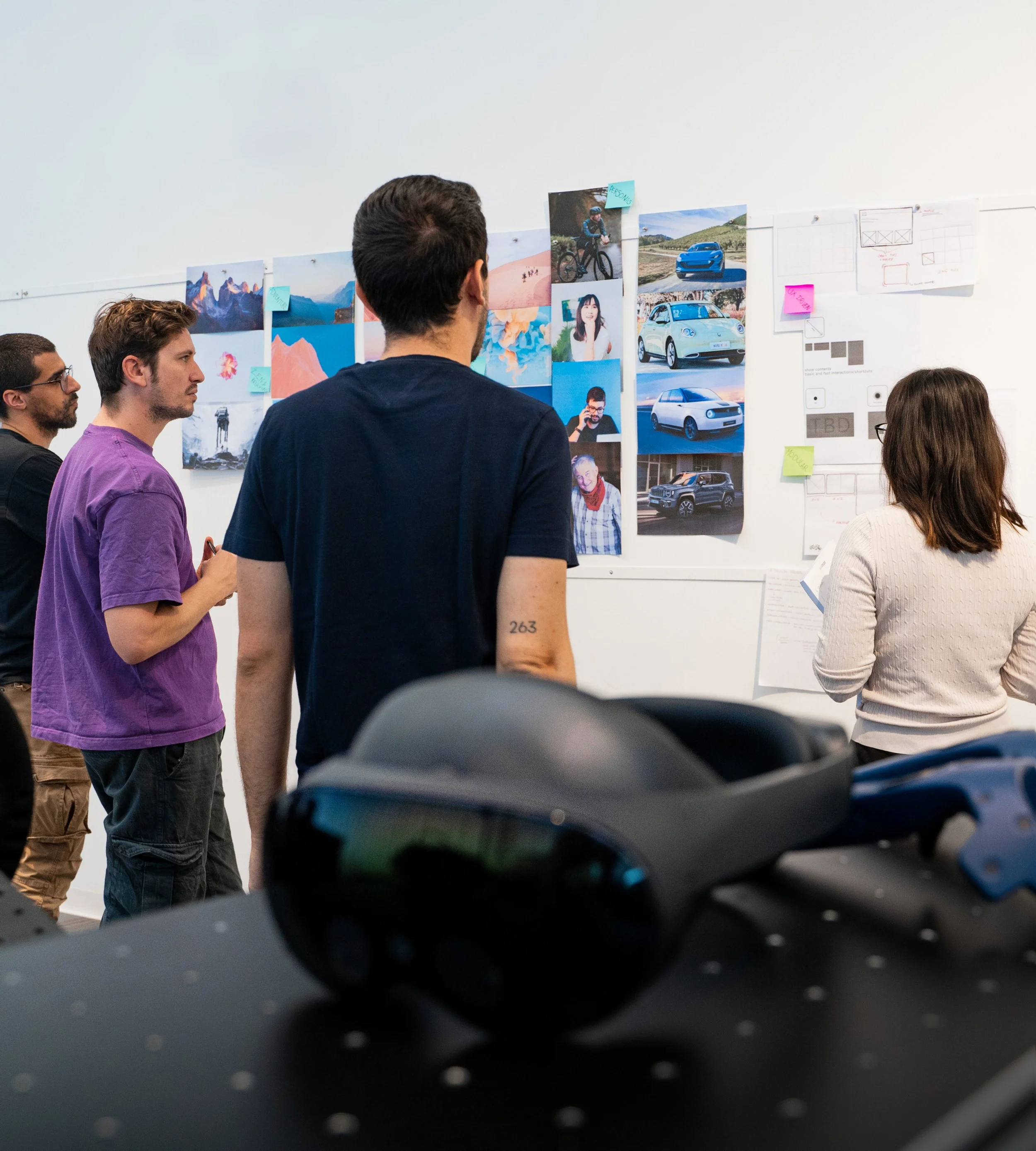
“With a strong emphasis on modularity and user-centricity, our design process for mOSaic involved XR testing using DigiPHY.”
OUTCOME
WHAT CHANGED
Reframing personalization in automotive HMI
mOSaic establishes a new perspective on in-vehicle interaction by shifting from fixed interfaces to adaptable systems. It shows how modular UI, cross-device integration and user-controlled layouts can create a more relevant and future-ready HMI experience.