2023
Internal
interaction
3D HMI Research
CONTEXT
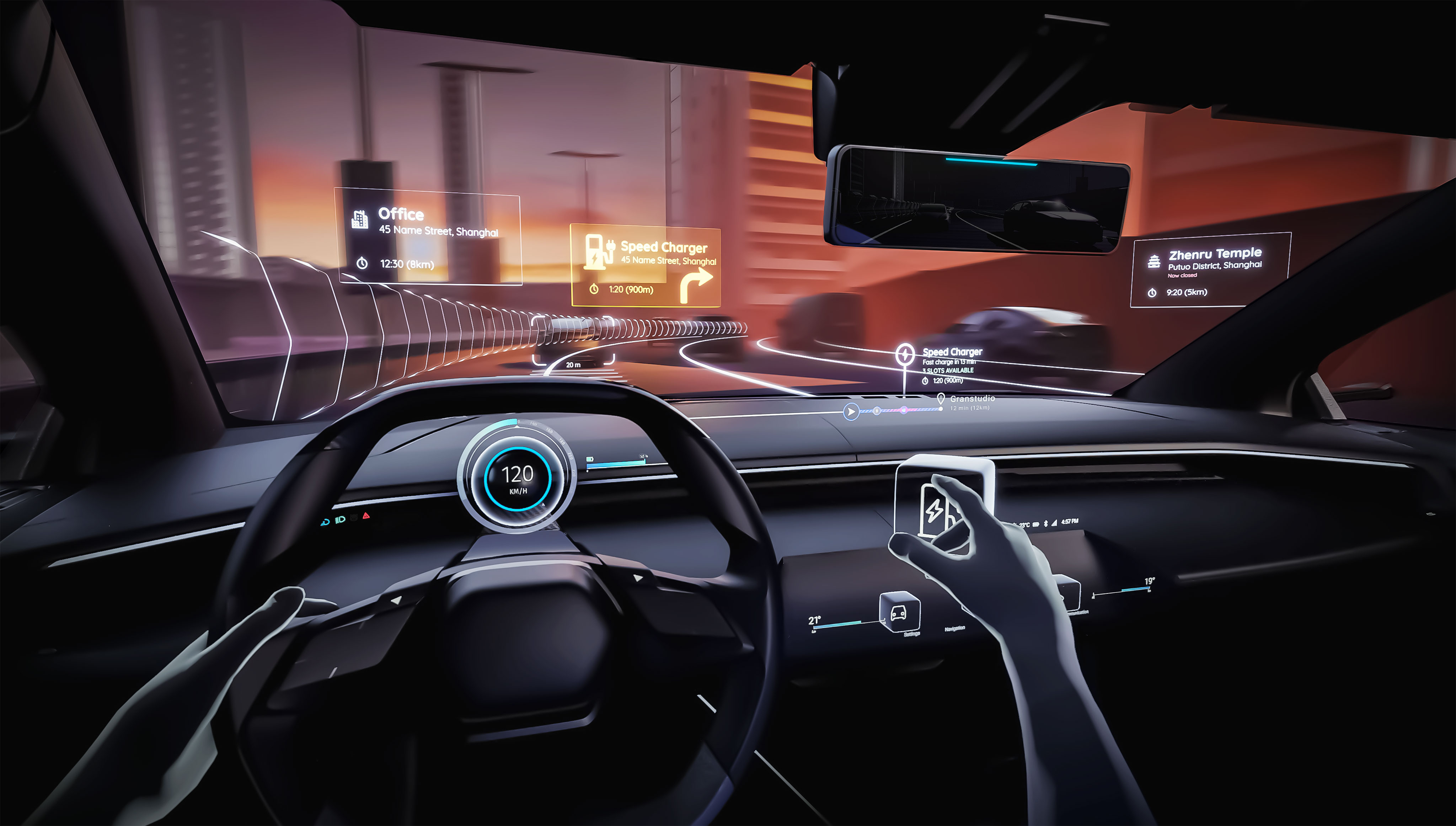
3D HMI is Granstudio’s internal research project exploring immersive interaction models for in-vehicle experiences. The study investigates how depth, physics and movement can enhance usability, engagement and information clarity in next-generation automotive interfaces.
ROLE
We led a transdisciplinary research initiative combining interaction design, prototyping and mixed reality development, exploring how physical and digital interactions can converge into a spatial and immersive HMI system.
THE SHIFT
From flat interfaces to spatial interaction
Traditional HMIs are limited to 2D layers, often increasing cognitive load and reducing clarity. The challenge was to explore how the third dimension could improve information hierarchy, interaction intuitiveness and overall driving experience.
“Going beyond visuals to make the third dimension truly meaningful in the car.”
Lukasz Czekanowski, Chief Interaction Design
APPROACH
SENSE
We analyzed the increasing amount of data generated by vehicles through sensors and cameras, framing the concept of a “quantified car.” This allowed us to identify opportunities to reorganize information into more transparent, spatial and multi-sensory interfaces.
SHAPE
We translated these insights into a 3D interaction system where interface elements respond to physics, movement and user input. By aligning digital behaviors with physical controls and forces acting on the vehicle, we created more intuitive and humanized interactions with reduced cognitive load.
MAKE
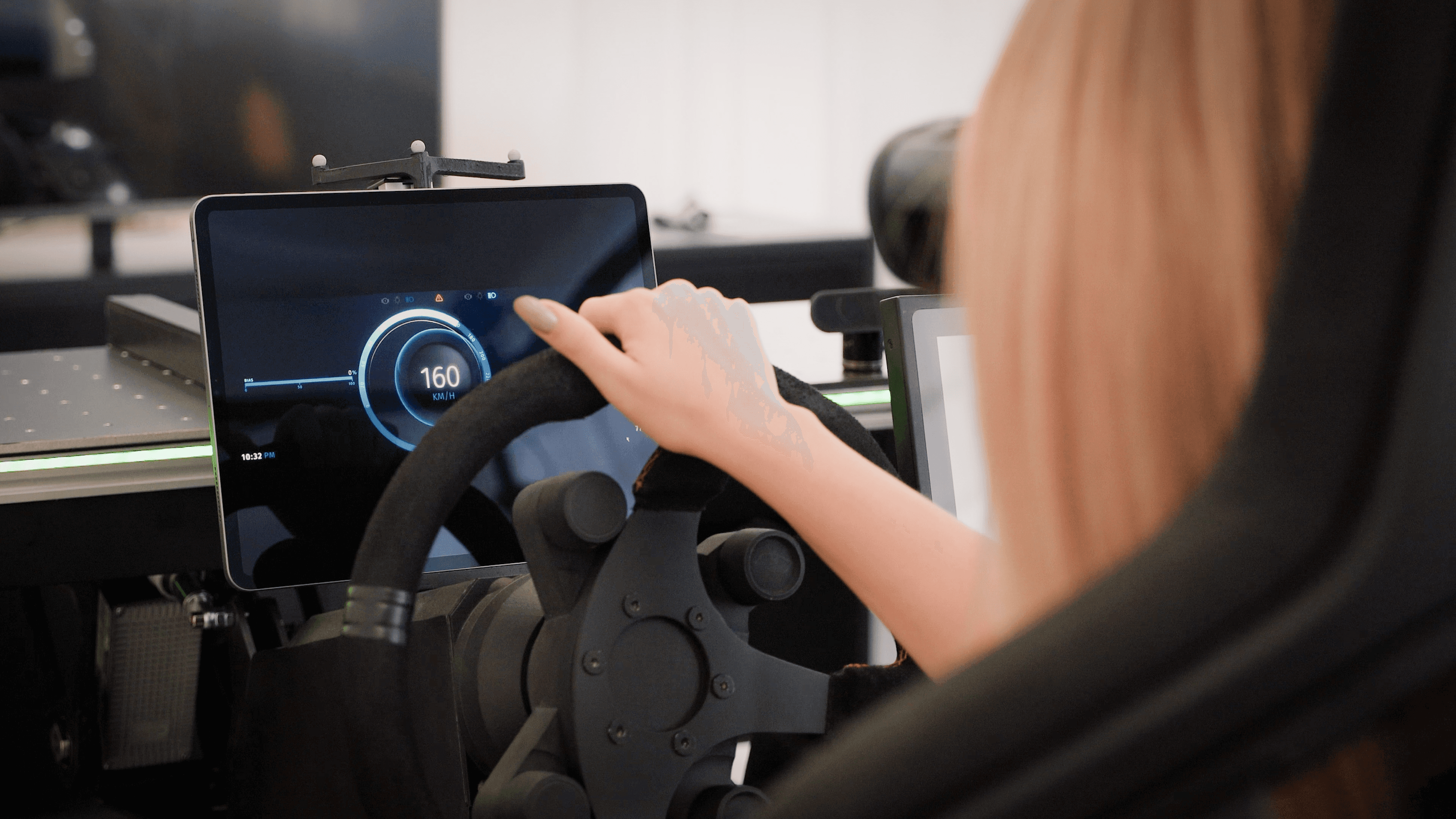
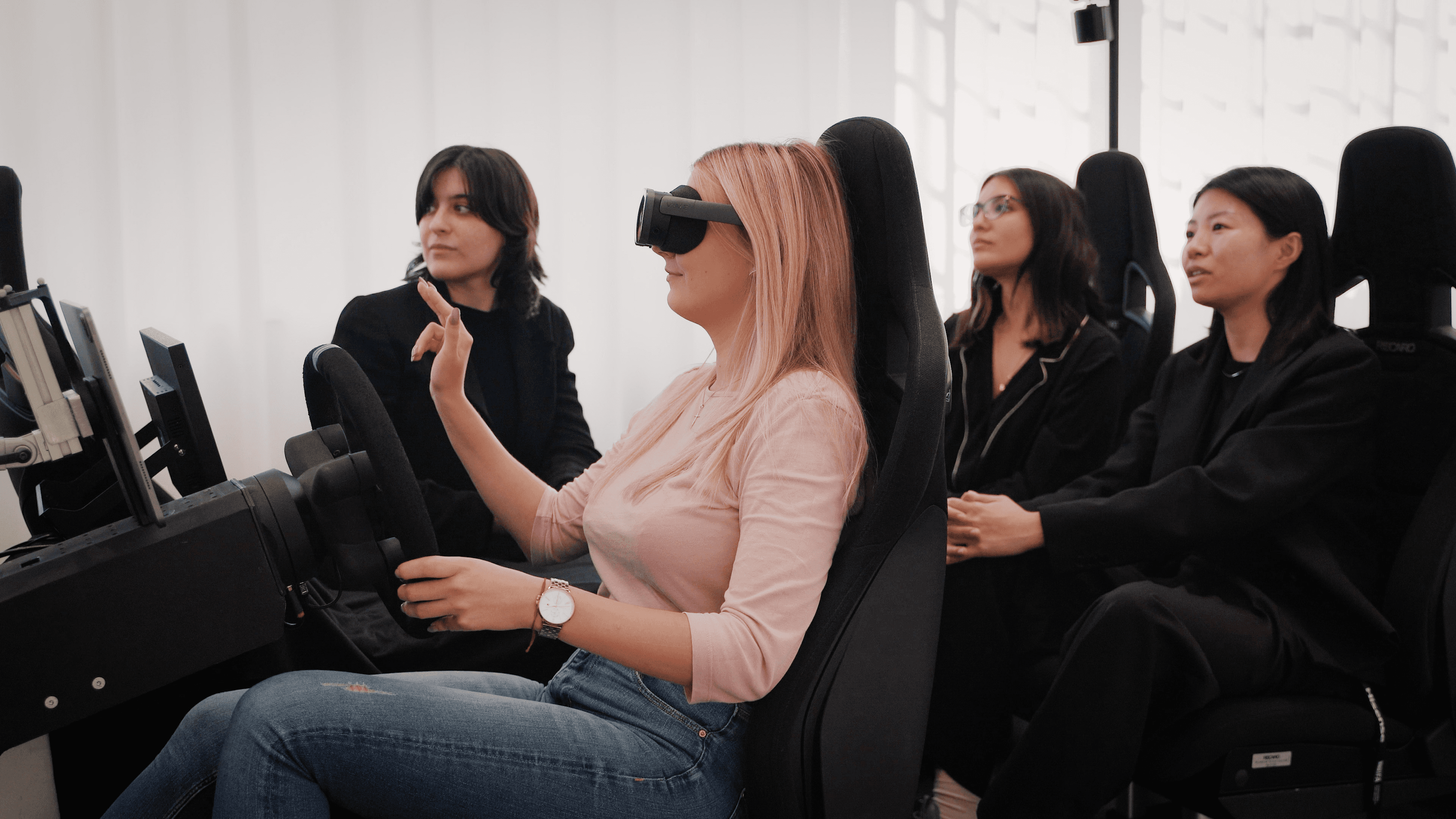
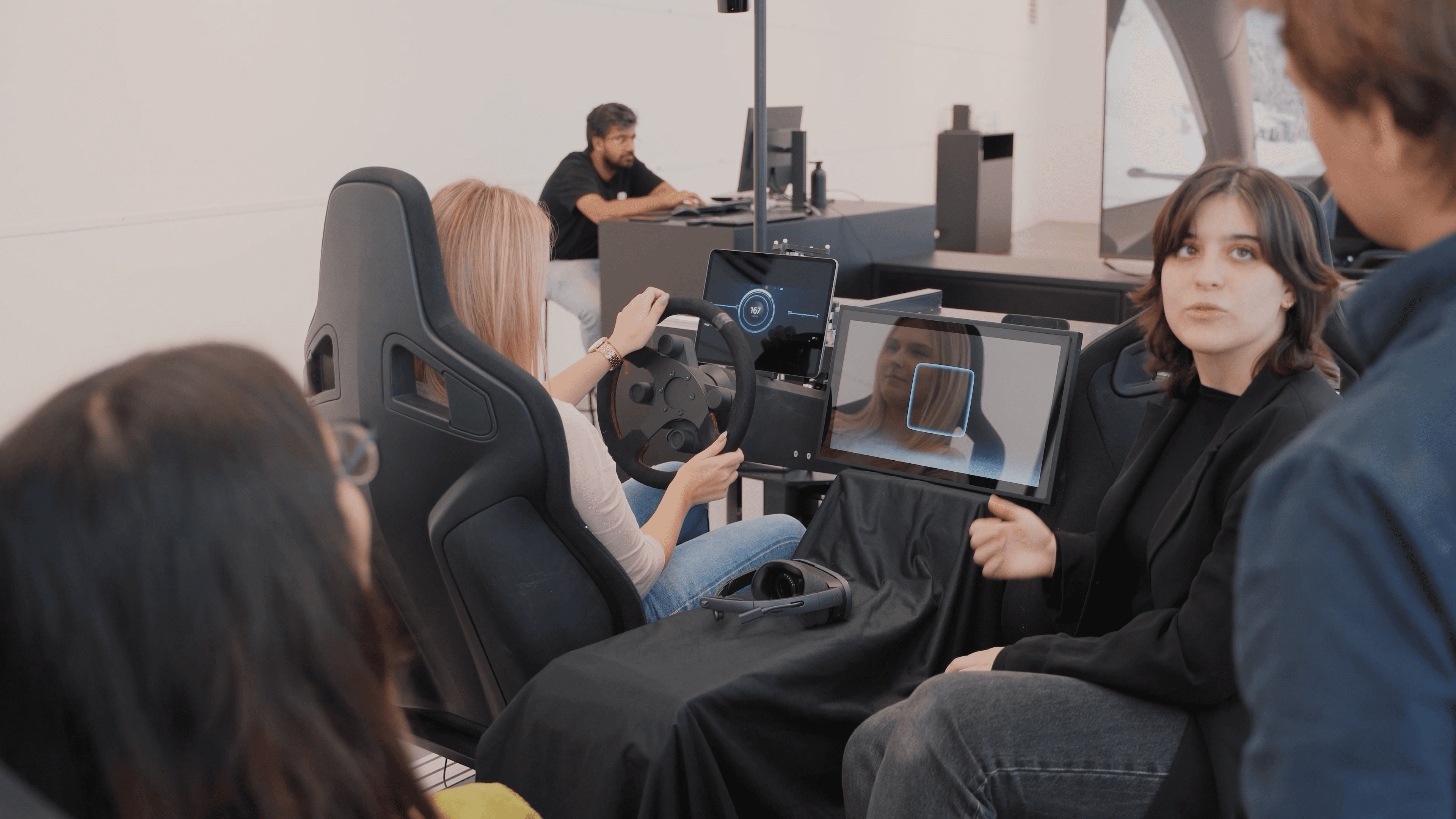
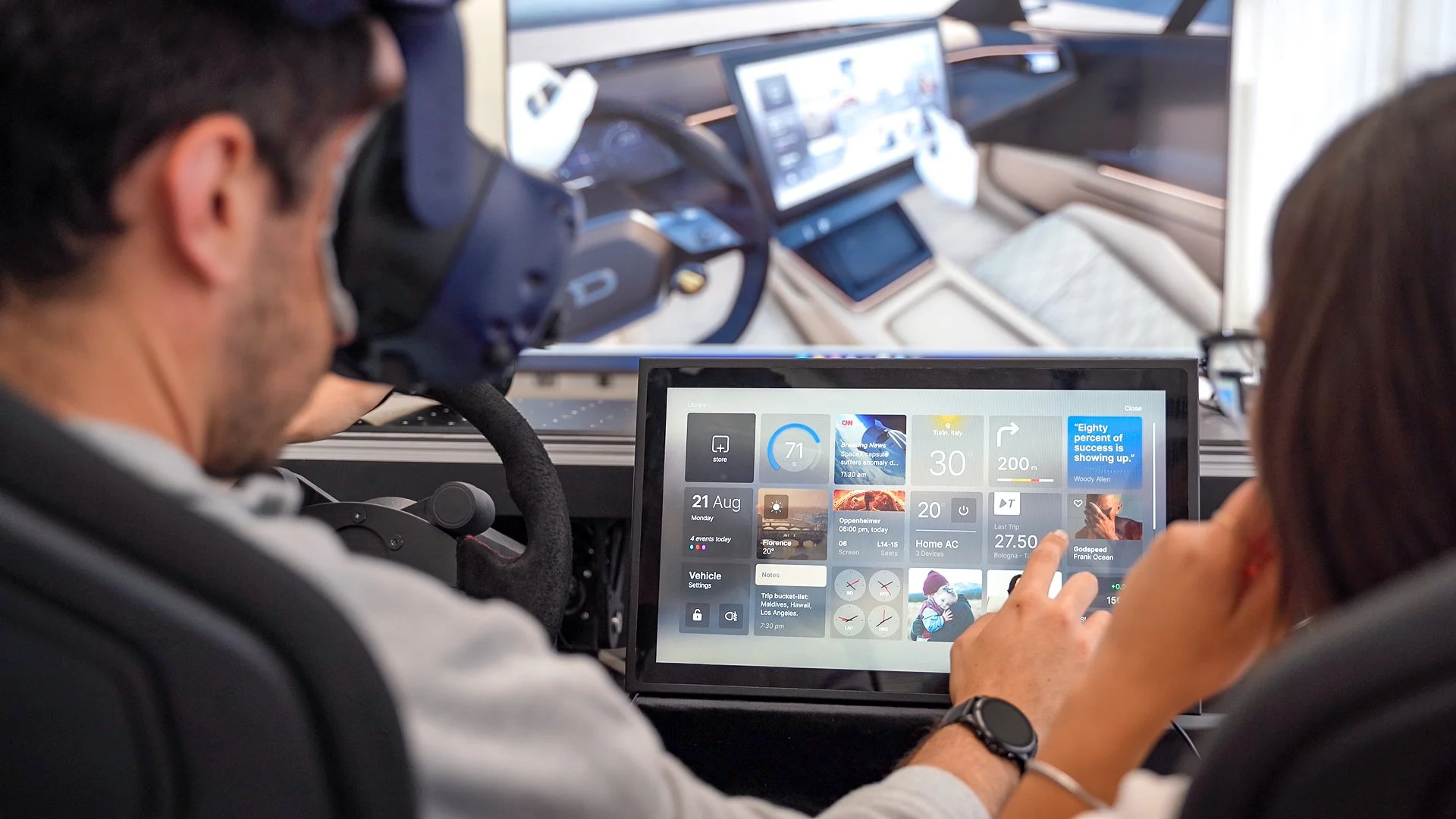
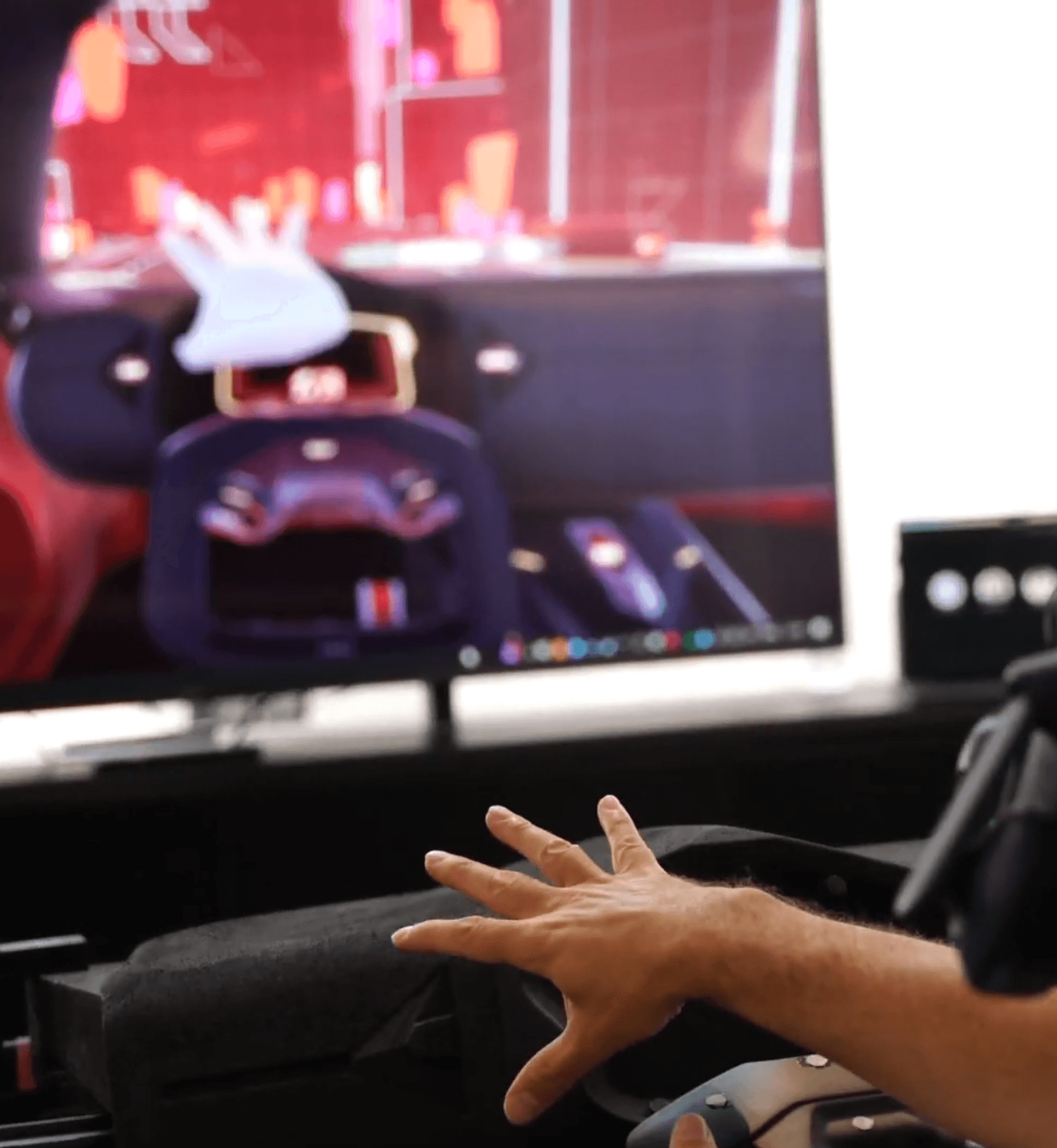
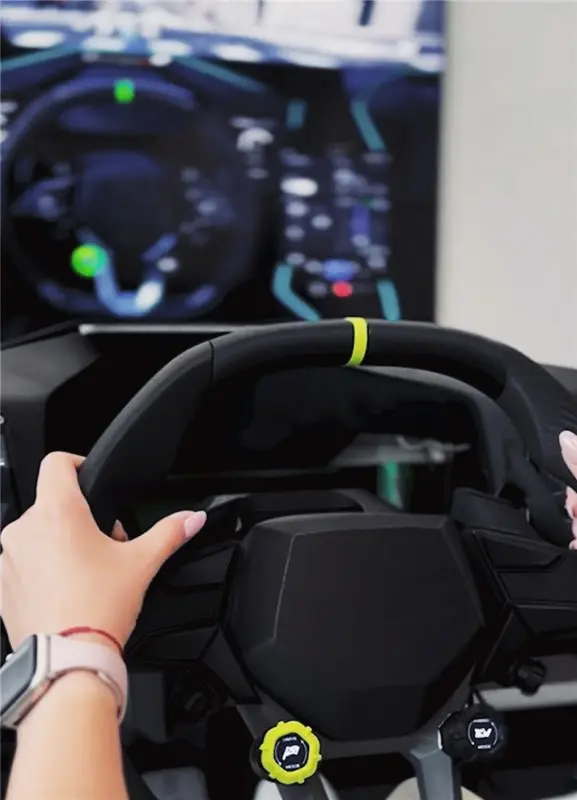
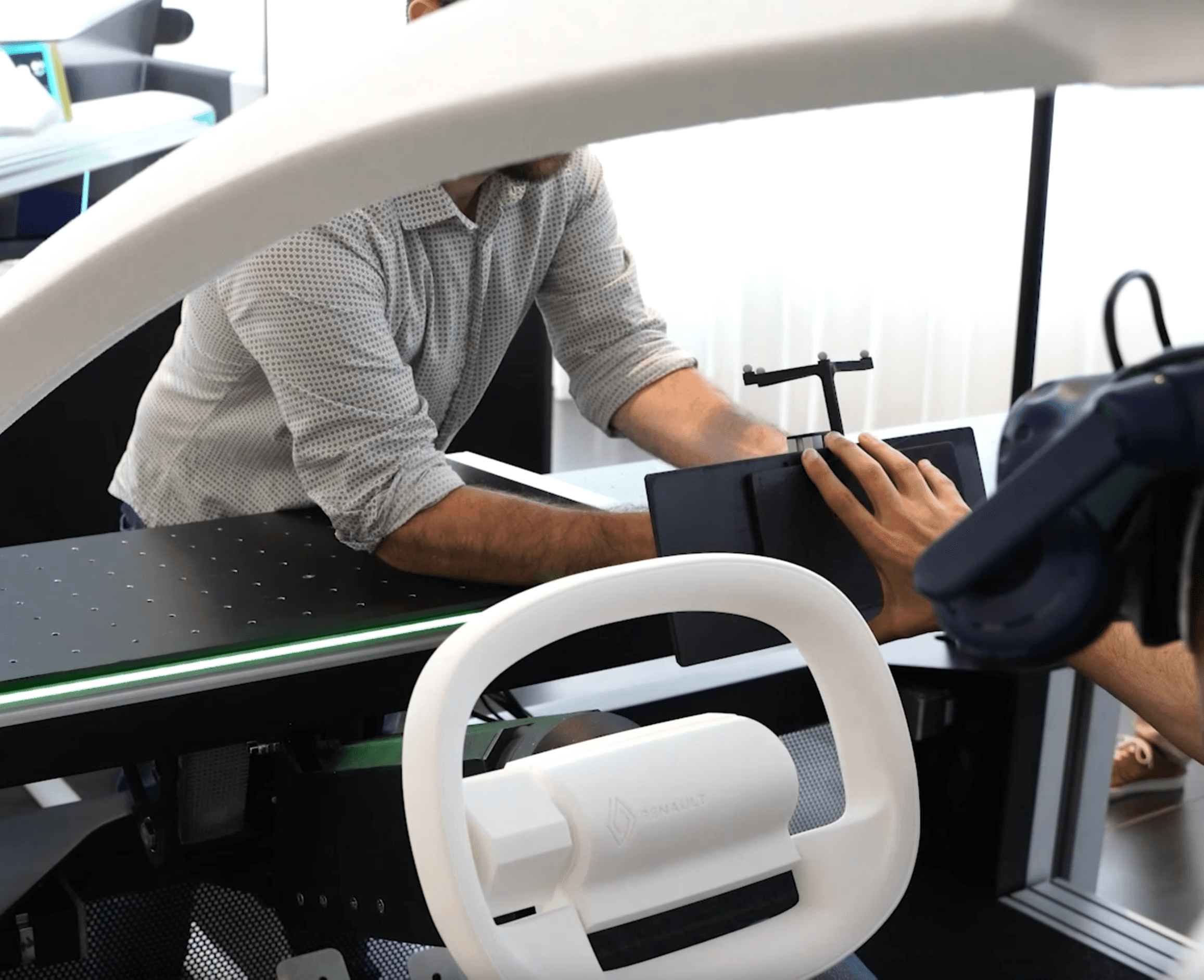
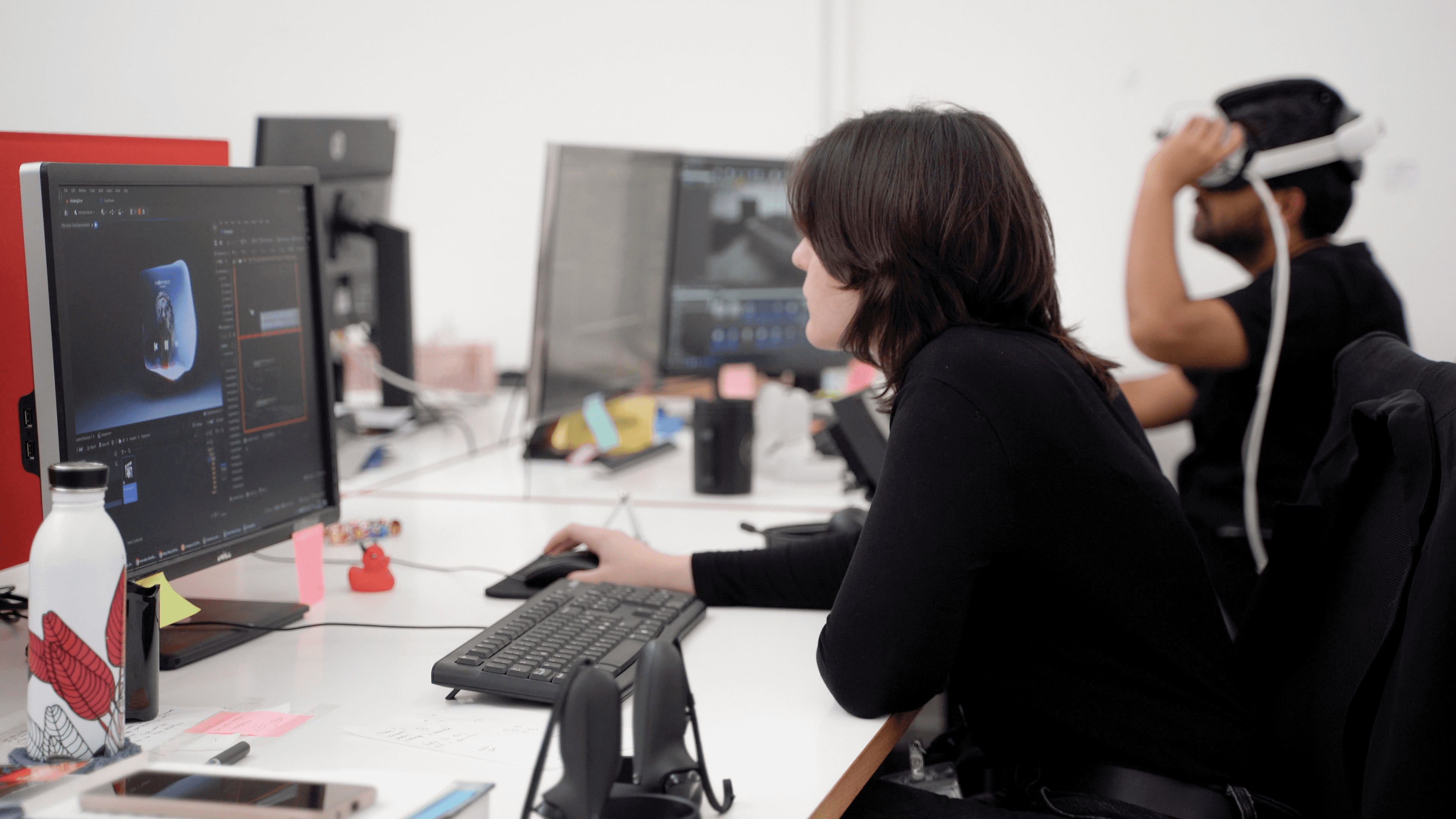
We developed and tested the system through XR prototyping using DigiPHY, integrating physical controls with virtual environments in real time. This enabled precise validation of ergonomics, interaction quality and spatial coherence across both physical and digital domains.
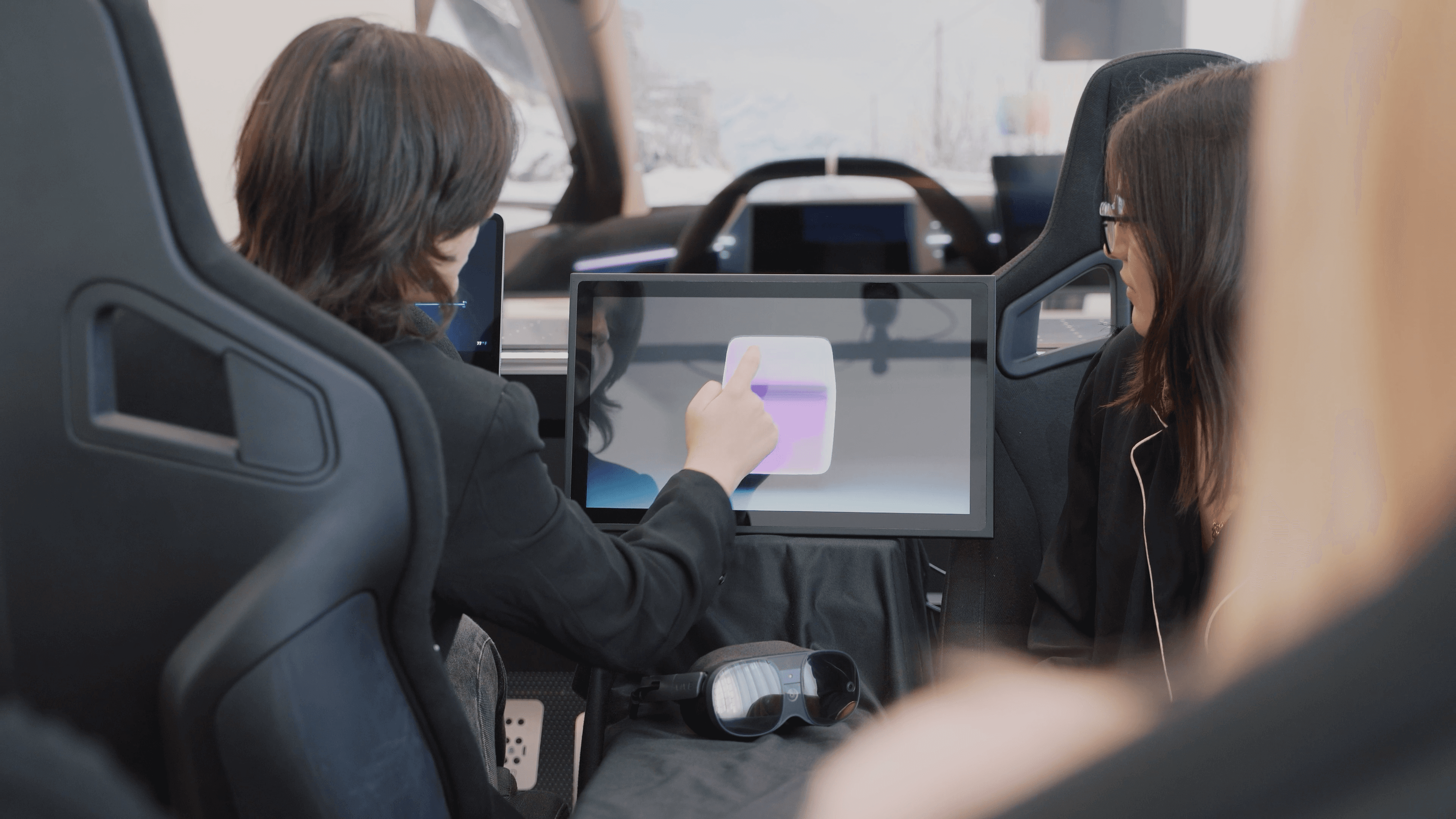
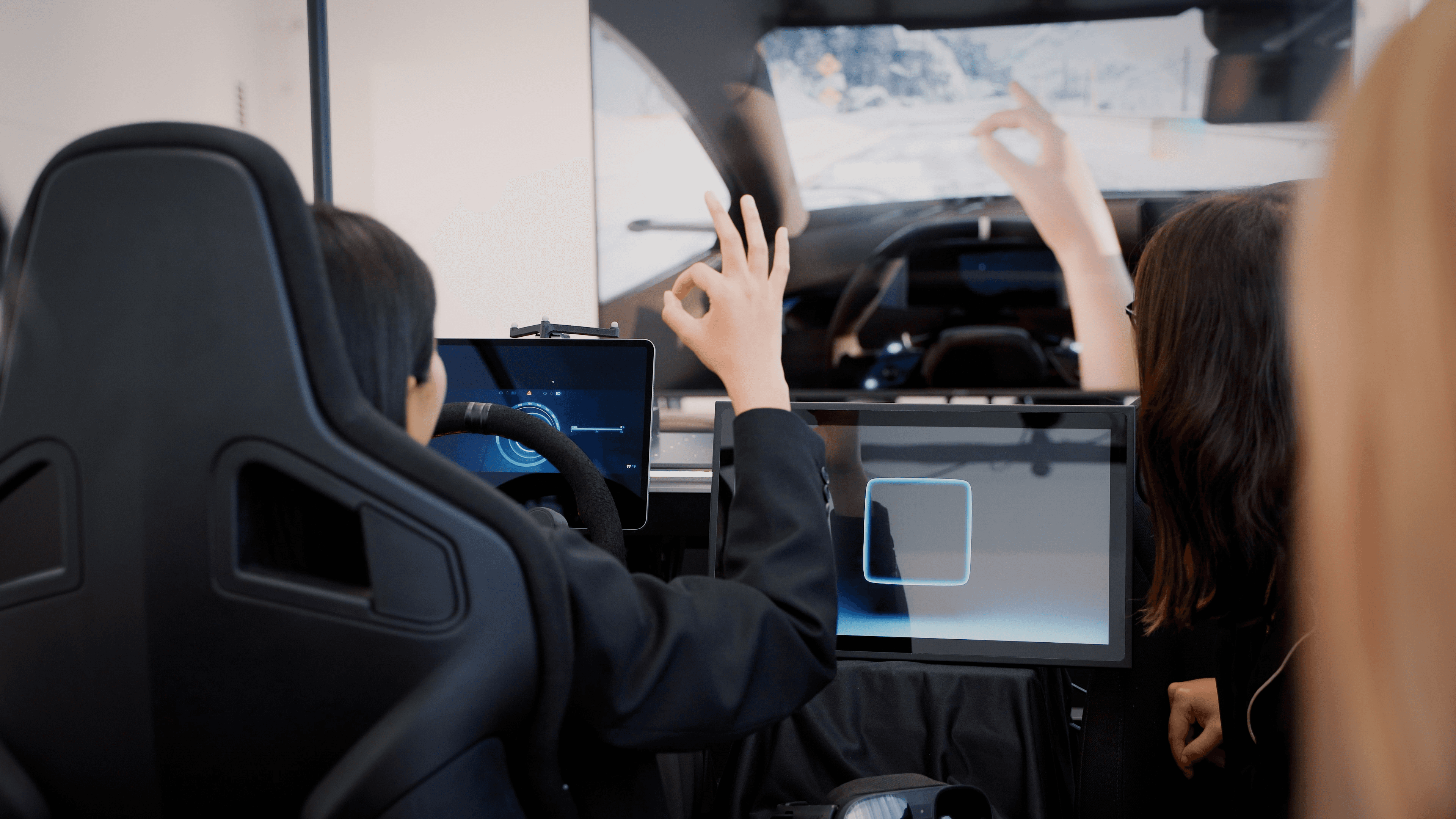
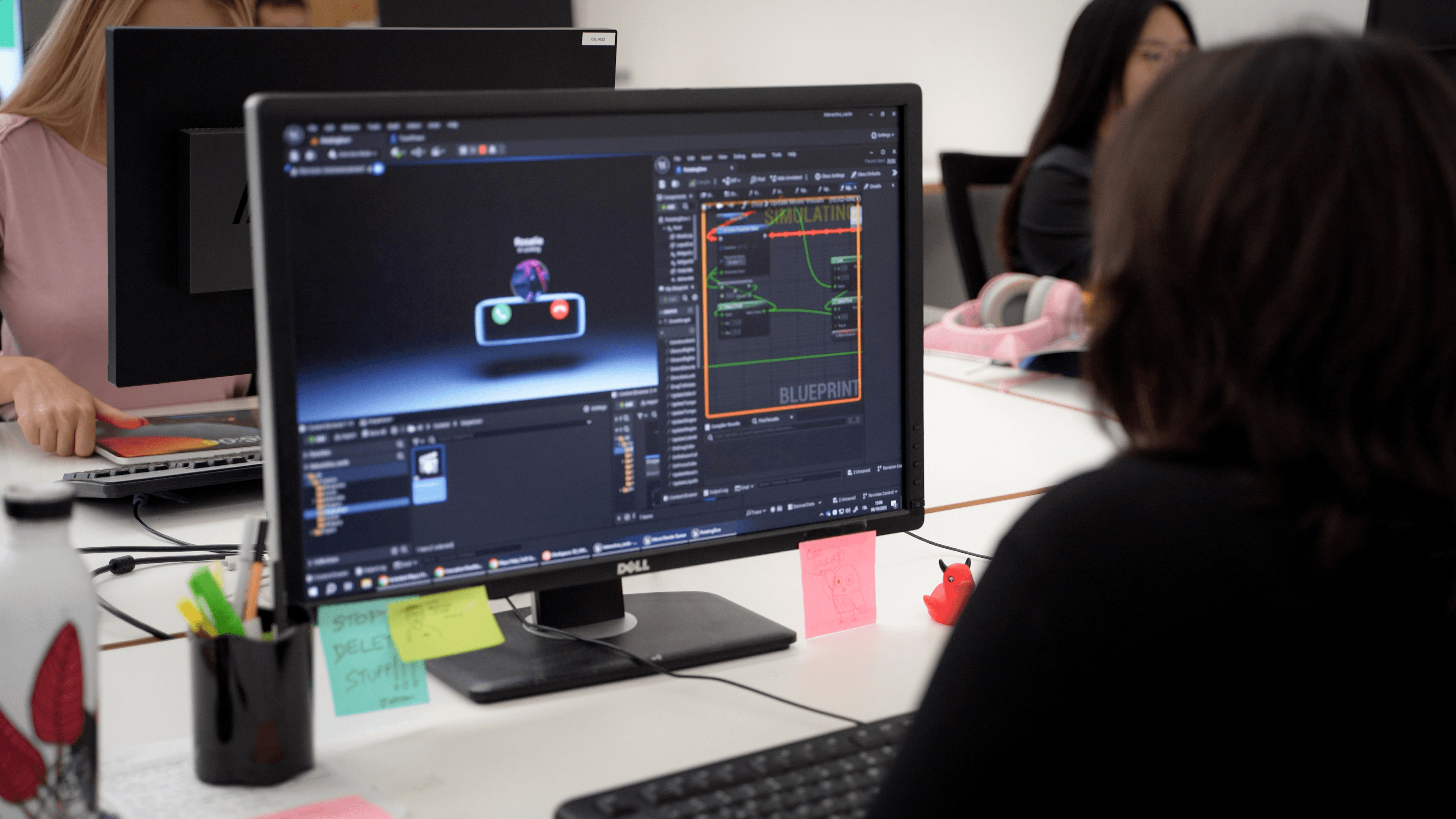
“We design HMI through real experiences, powered by digital tools.”
Lukasz Czekanowski, Chief Interaction Design
OUTCOME


WHAT CHANGED
Introducing spatial logic into HMI design
3D HMI redefines how information and interaction are structured inside the vehicle, shifting from layered screens to spatial systems. It establishes a foundation for more intuitive, immersive and ergonomically efficient interfaces aligned with future automotive technologies.