2023
Lightyear
automotive
Lightyear Solar
CONTEXT
The transition to electric mobility is still limited by charging dependency, cost and accessibility. We partnered with Lightyear to explore how solar integration could redefine vehicle autonomy and unlock a more independent, user-centered mobility model.
ROLE
We led a research-driven design process translating solar technology benefits into viable vehicle concepts, combining user insights, multi-typology exploration, and advanced design tools to define scalable solutions for mainstream adoption.
THE SHIFT
From charging dependency to energy autonomy
Electric mobility still relies on infrastructure. The challenge was to rethink the vehicle as an energy-generating system, reducing reliance on charging networks while maintaining usability, performance and appeal for a broad market.
“A car with integrated solar panels could increase its range by 40 percent.”
Bonna Newman, CEO Lightyear
APPROACH
SENSE
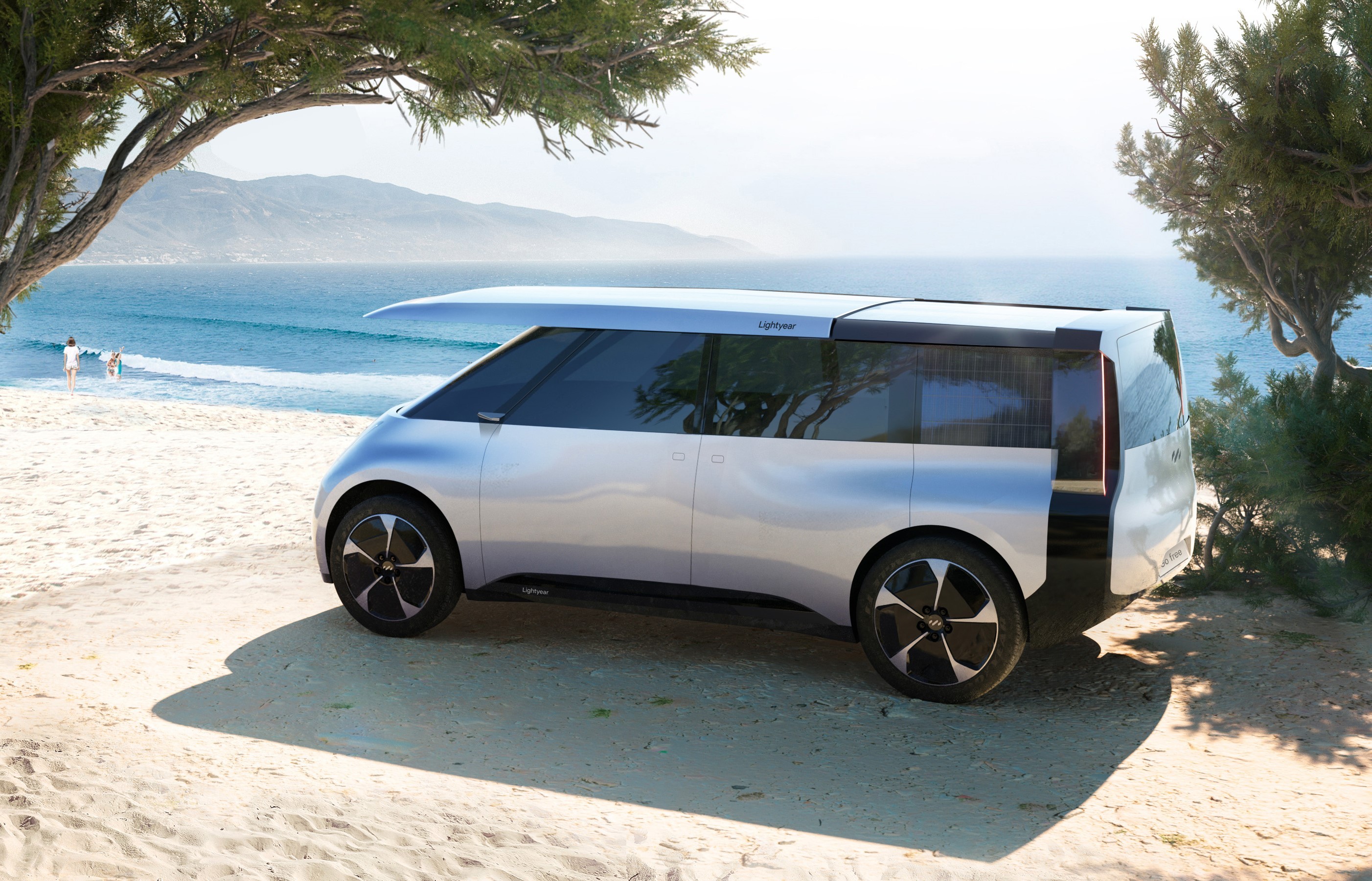
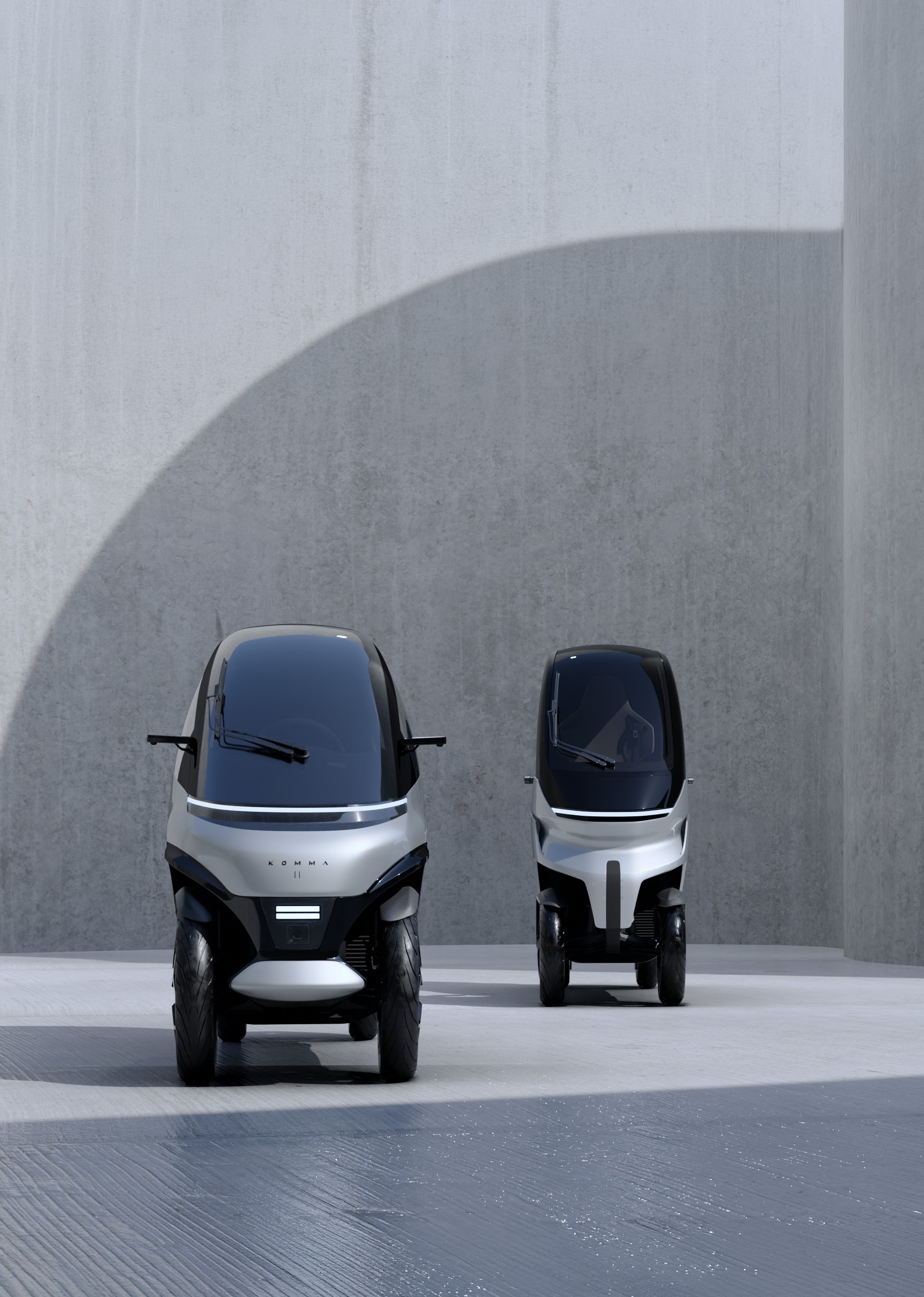
We conducted user research to understand barriers to EV adoption, focusing on accessibility, charging anxiety and real usage patterns. This informed a broader exploration of solar applications across multiple vehicle typologies, from mass-market to off-grid scenarios.
SHAPE
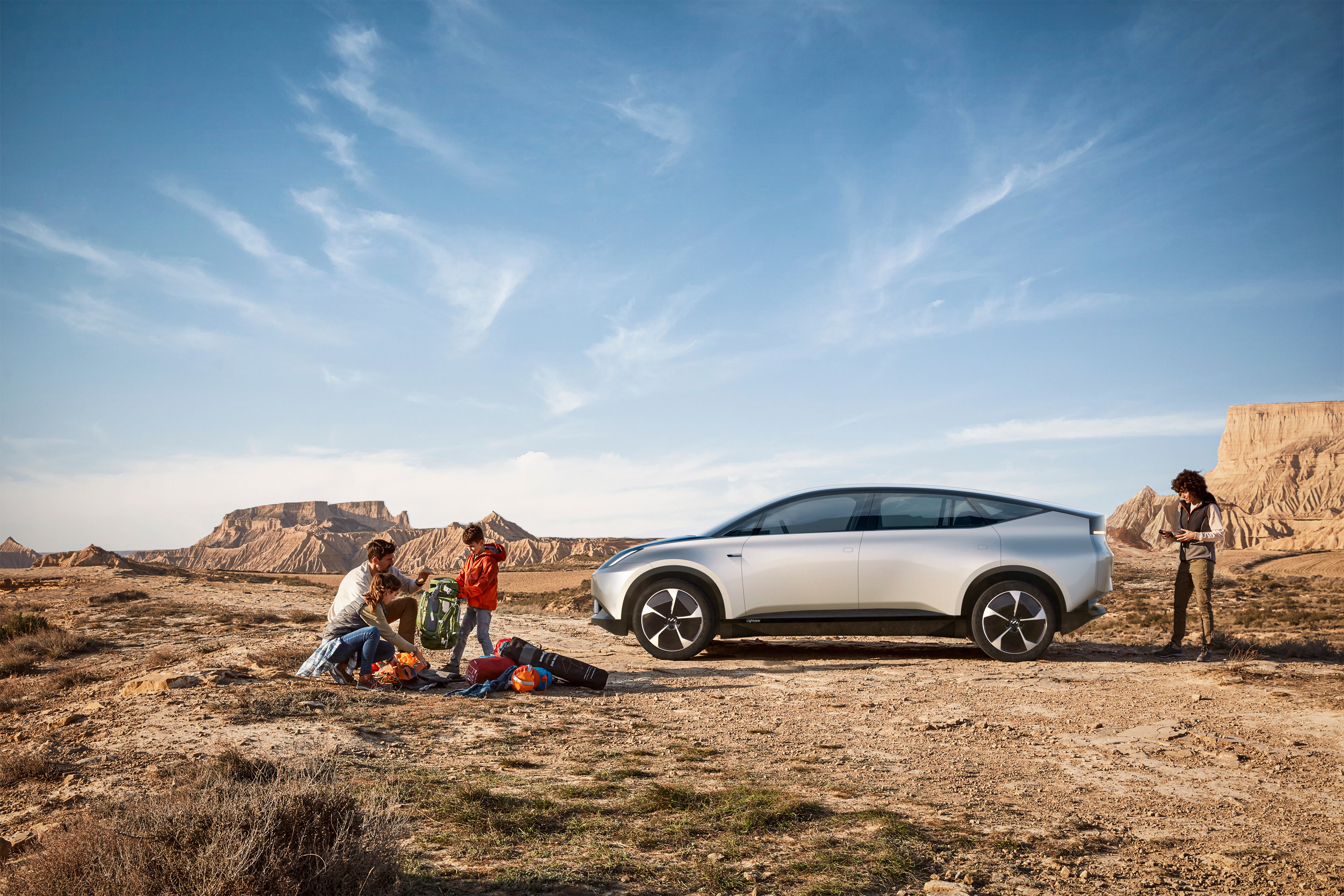
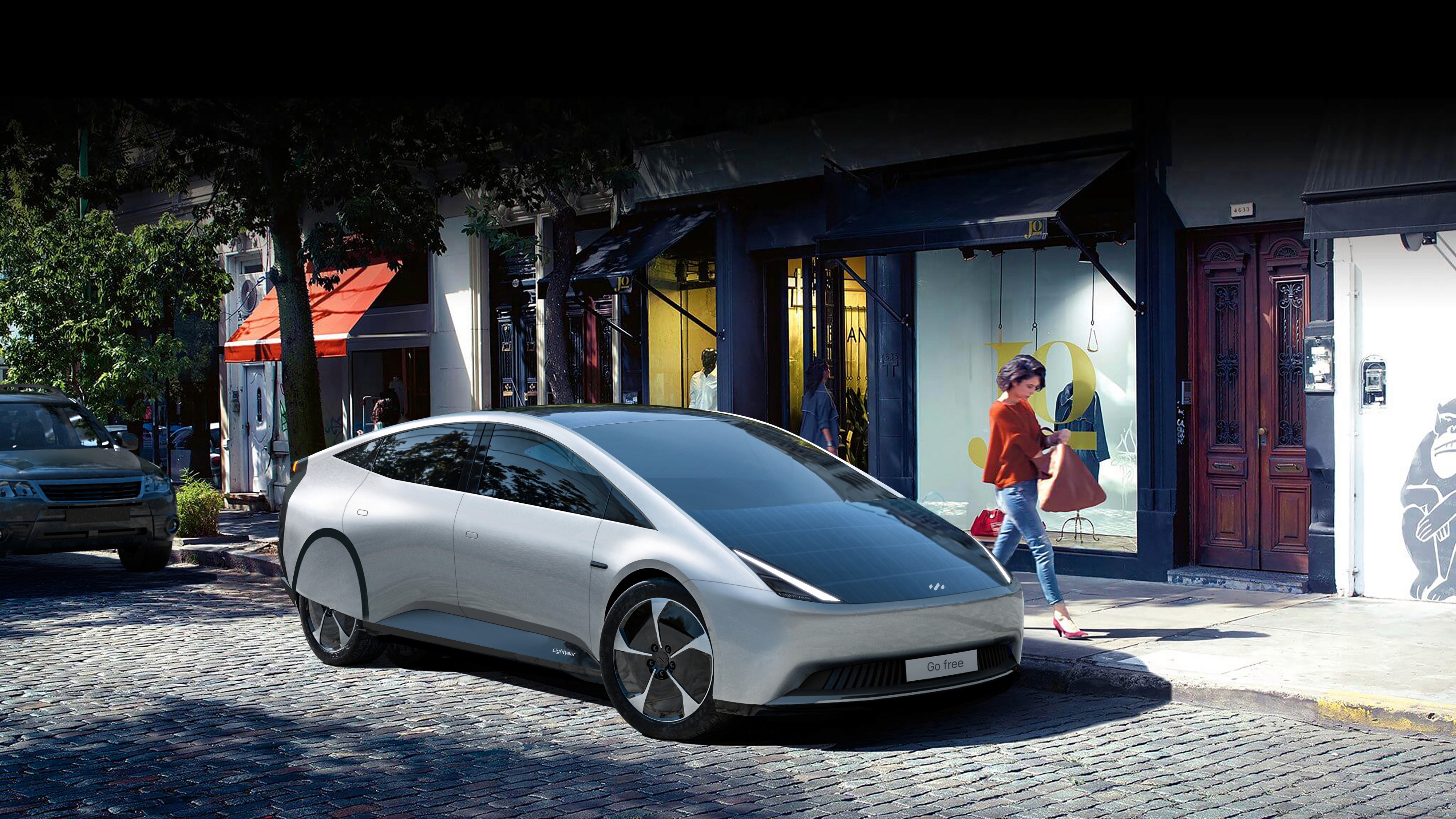
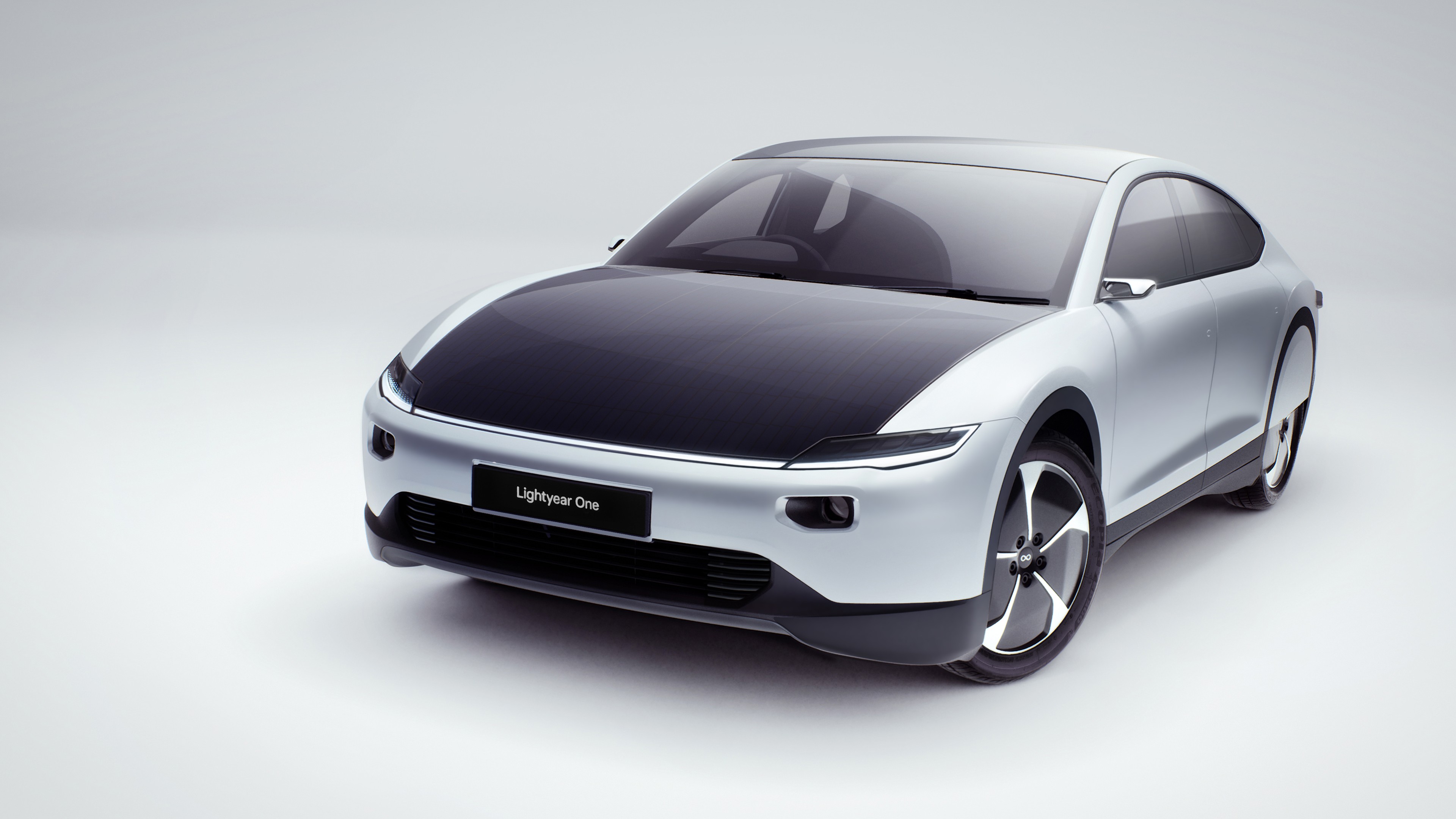
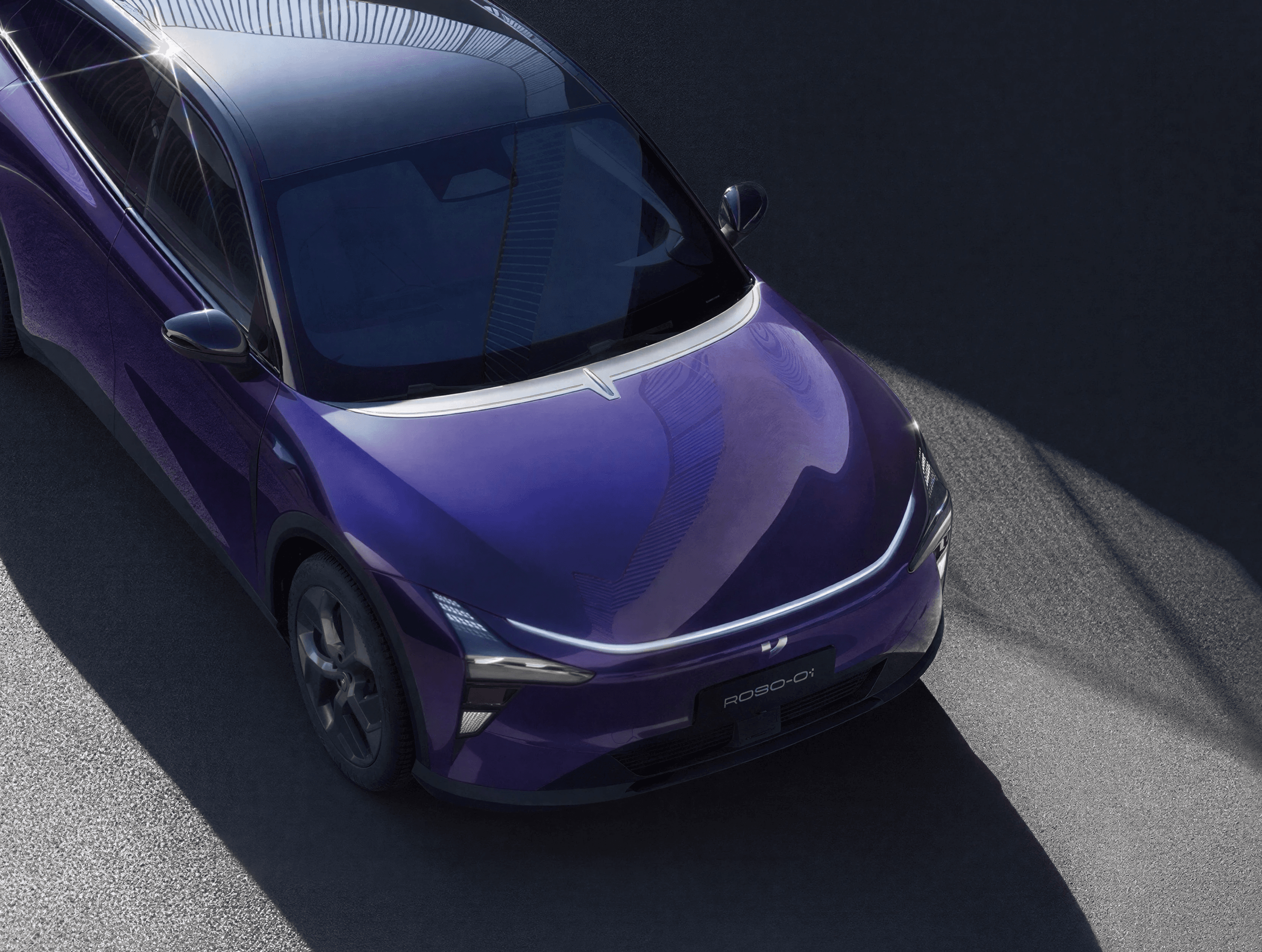
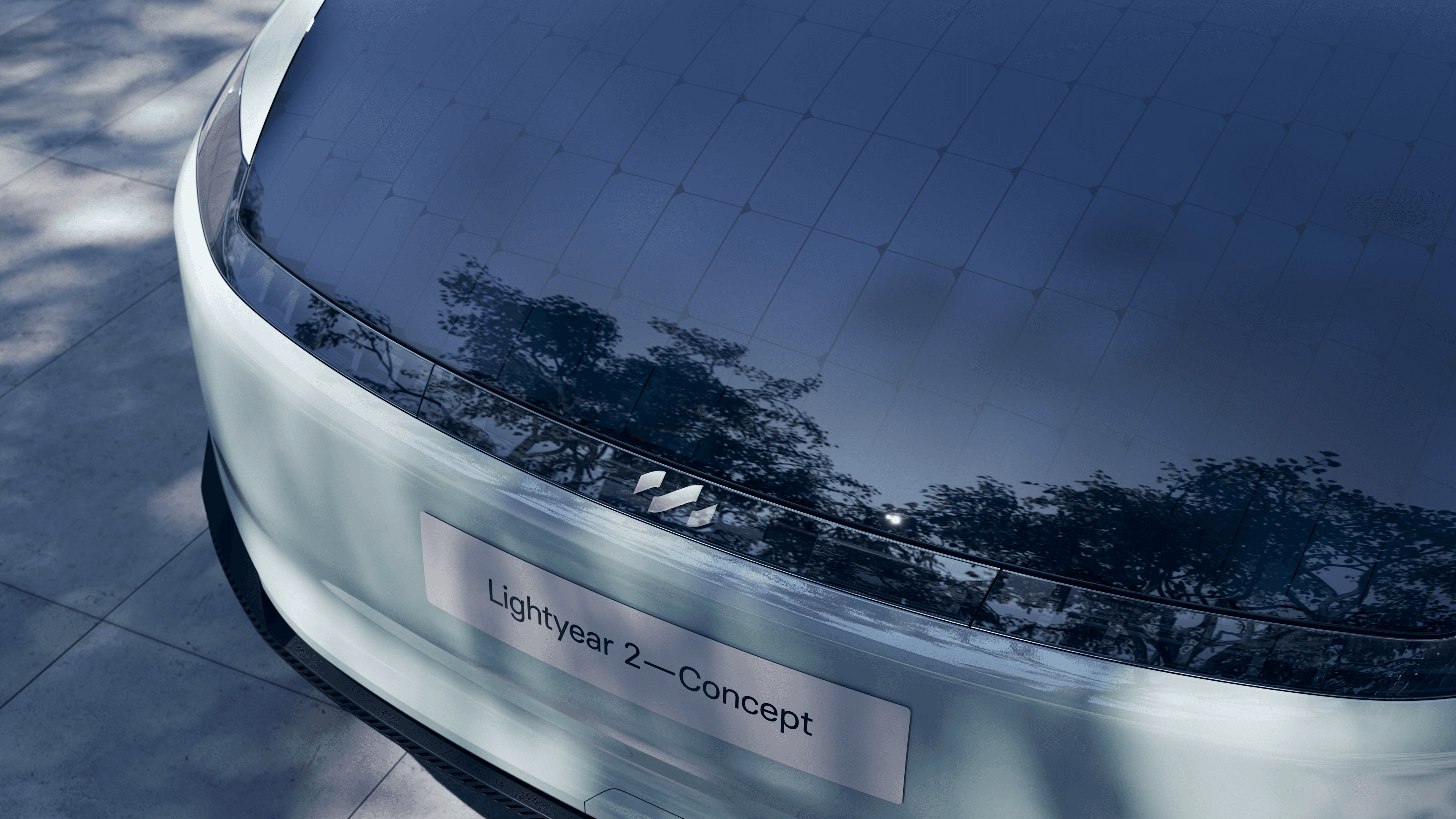
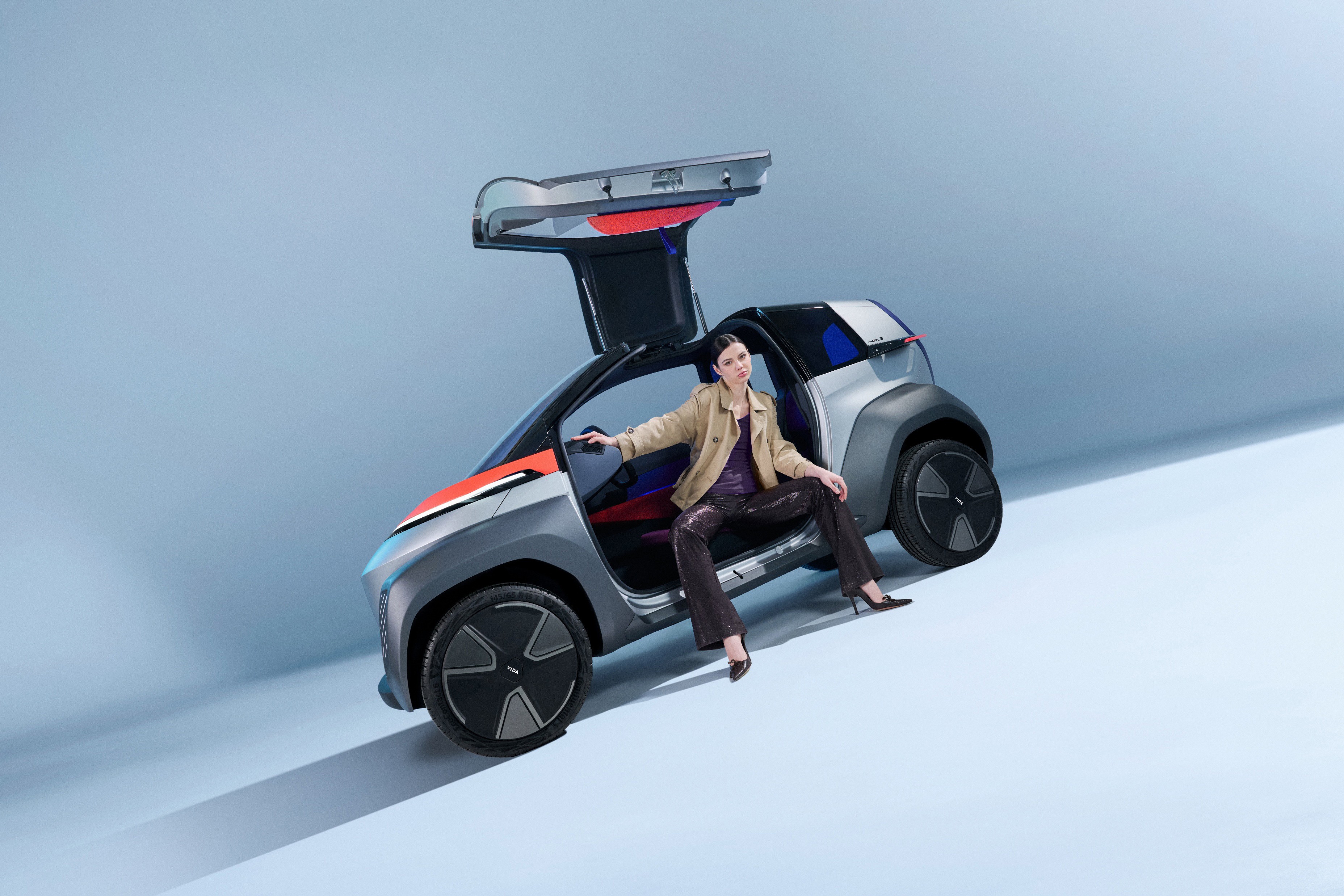
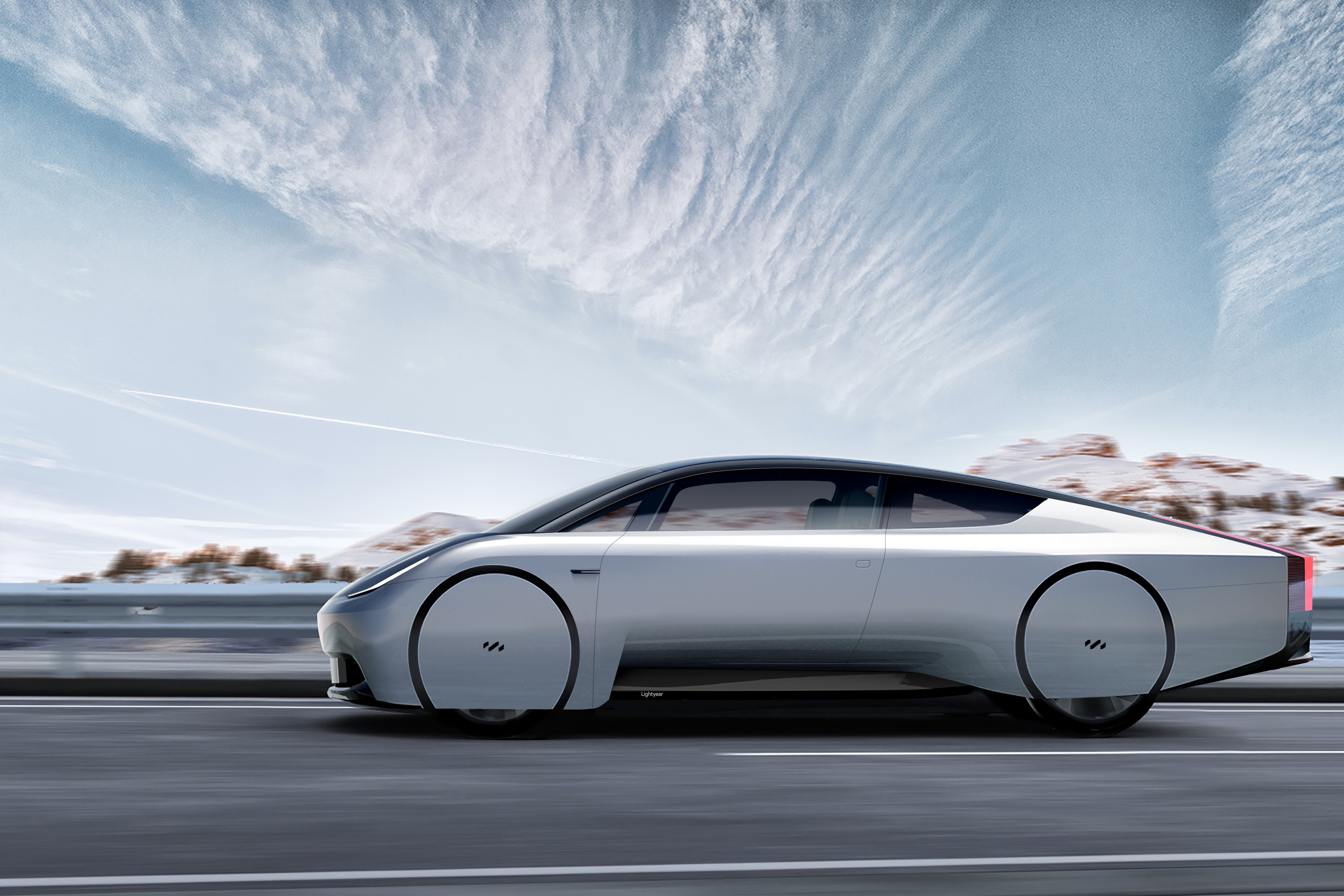
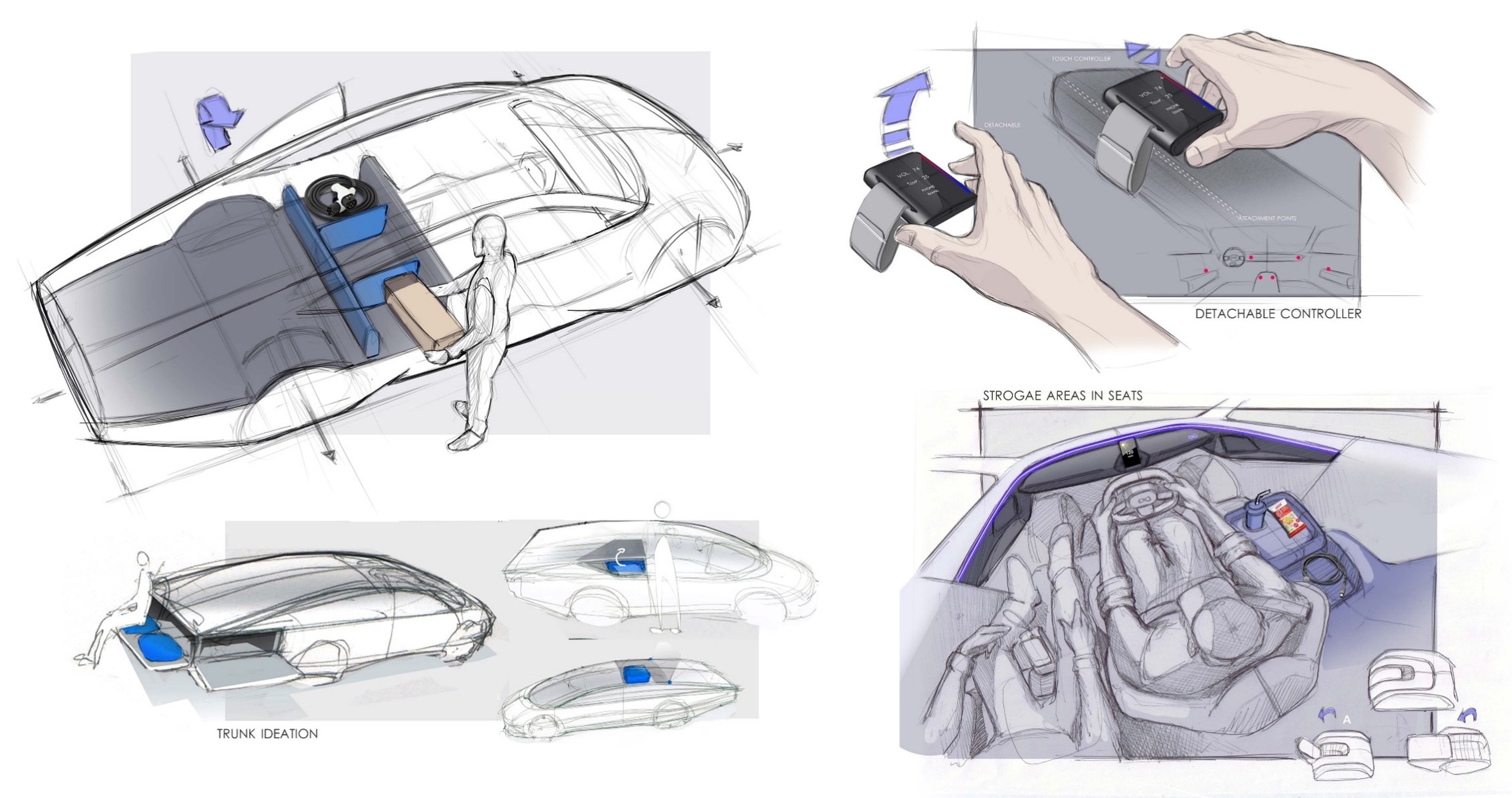
We translated performance benefits into coherent product architectures, balancing aerodynamics, usability and aesthetics. The resulting concepts integrated solar surfaces seamlessly, achieving high efficiency (Cx up to 0.16) while maintaining proportions and spatial quality expected in everyday vehicles.
MAKE
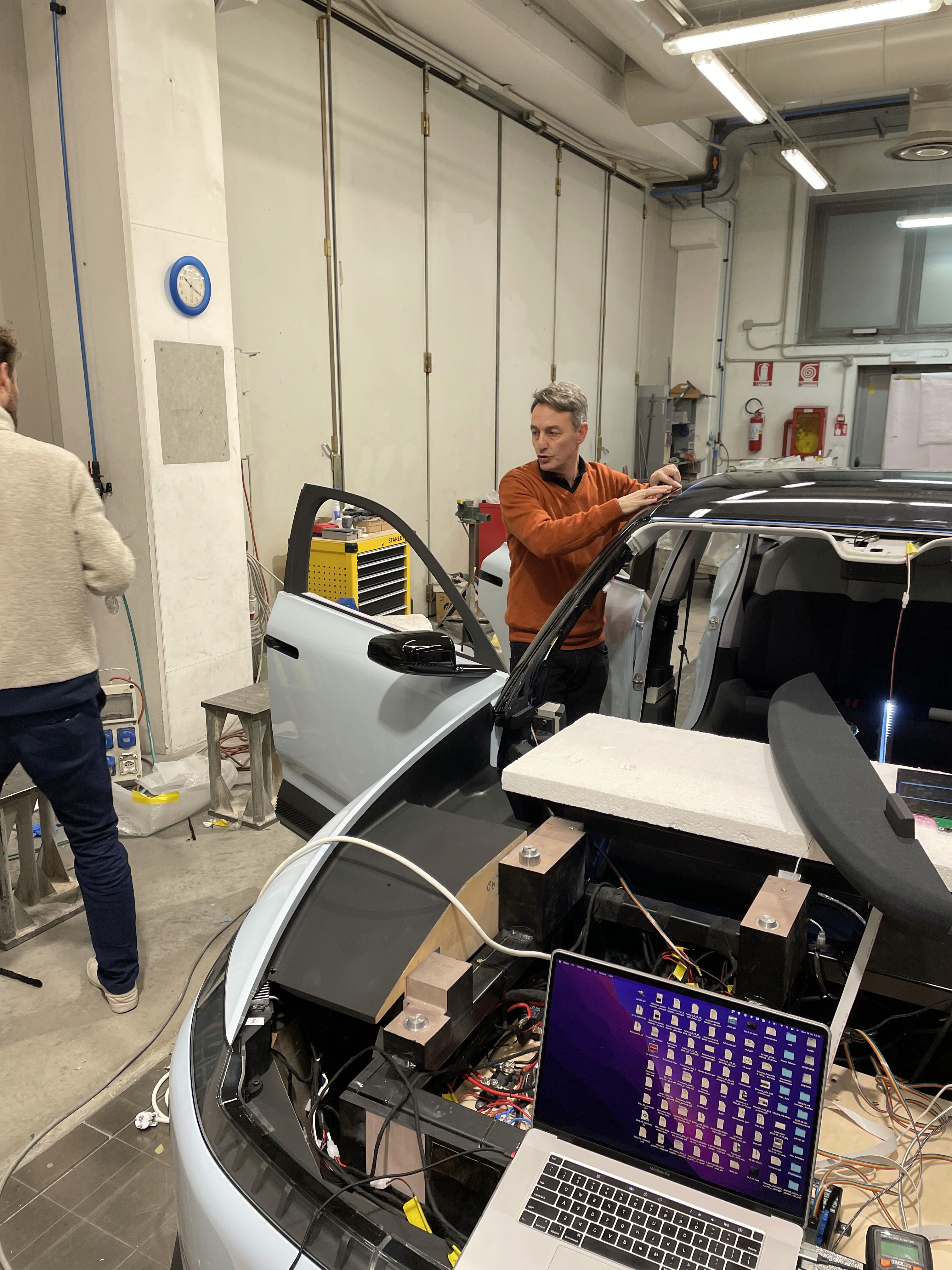
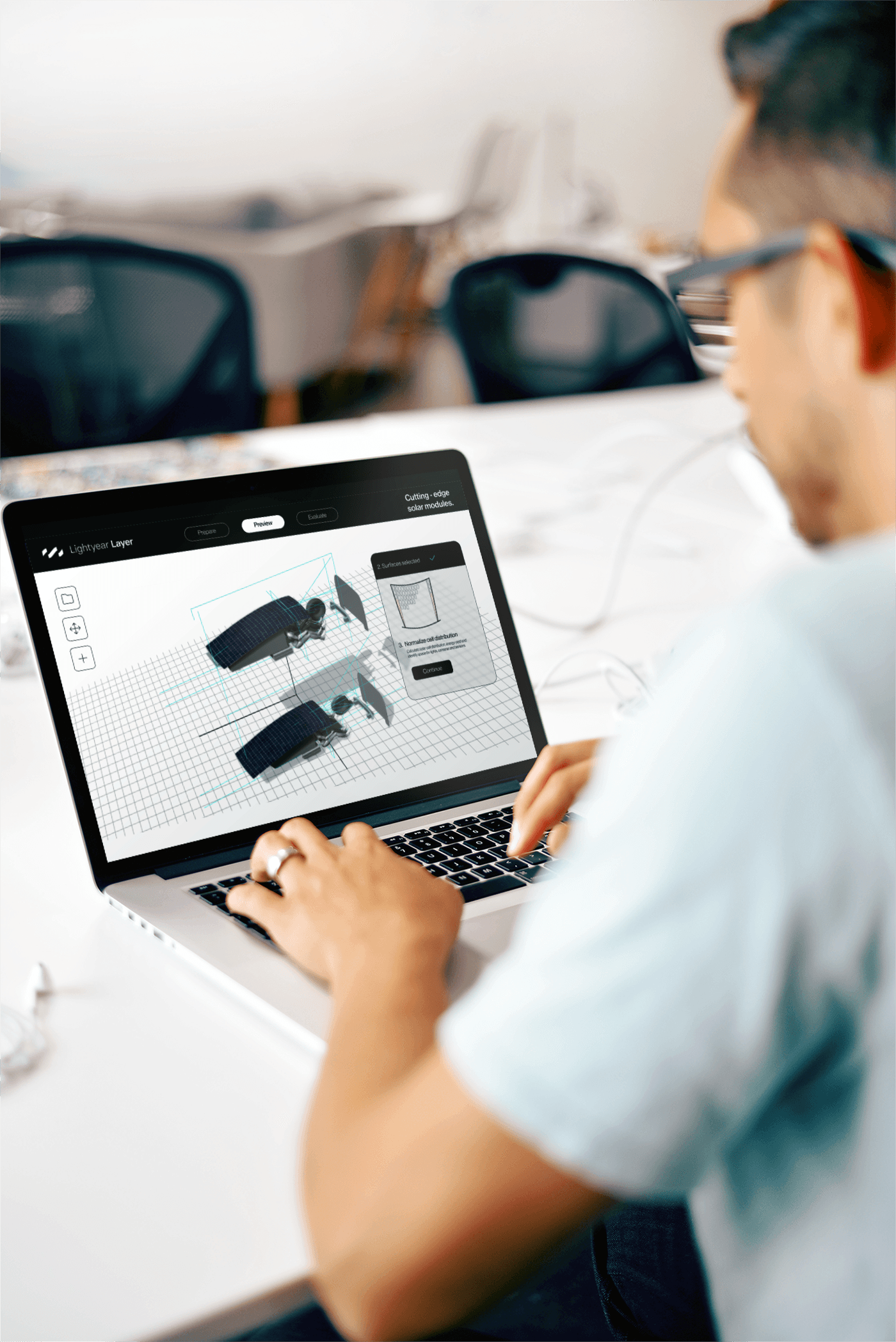
We leveraged DigiPHY, our proprietary XR and physical prototyping methodology, to validate ergonomics and design decisions in an immersive environment. This enabled rapid iteration and alignment between virtual models and tangible experience.
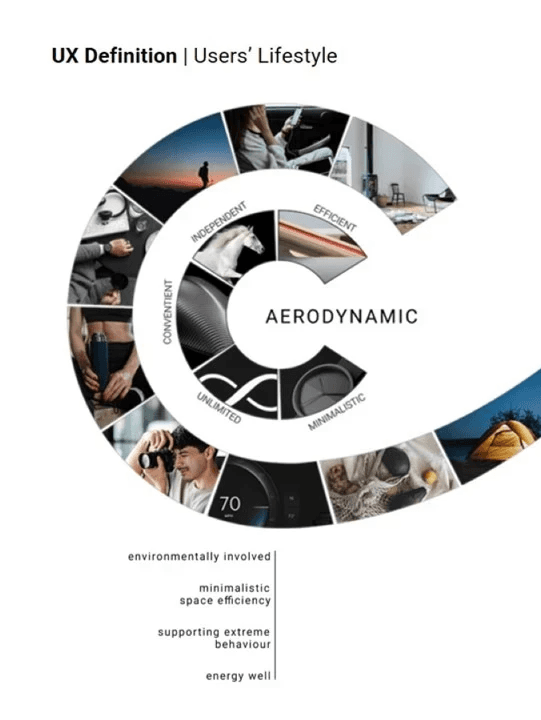
“Starting from the value it can bring to the user, we explored the different applications of solar energy in vehicles.”
Lowie Vermeersch, CEO & CD, Granstudio
WHAT CHANGED
Redefining the role of the vehicle
This project demonstrates how vehicles can evolve from energy consumers to energy generators. It establishes a new design paradigm where performance, sustainability and independence converge, opening new market opportunities and redefining expectations for future mobility solutions.