2026
HITACHI
industrial
interaction
Landcros Mini
CONTEXT
Hitachi Construction Machinery Europe aimed to bring its future vision closer to production. The goal was to develop a new generation of mini excavators focused on improving real world usability and operator experience.
ROLE
Granstudio led the process through its XR user centered design approach, creating a new concept based on the Landcros One vision, supported by mixed reality user testing to validate decisions with real operator feedback.

THE SHIFT
user-centered phygital design approach
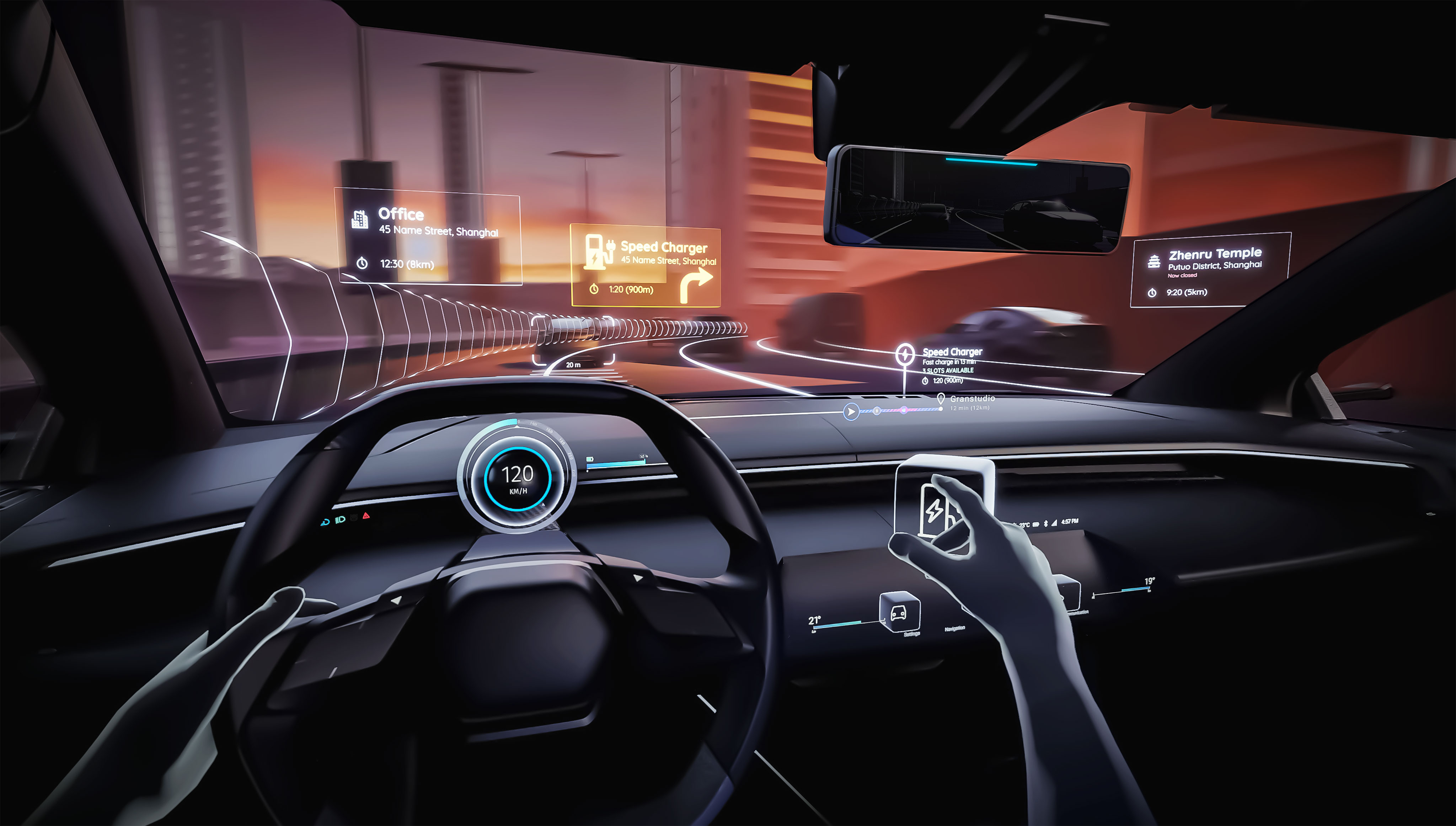
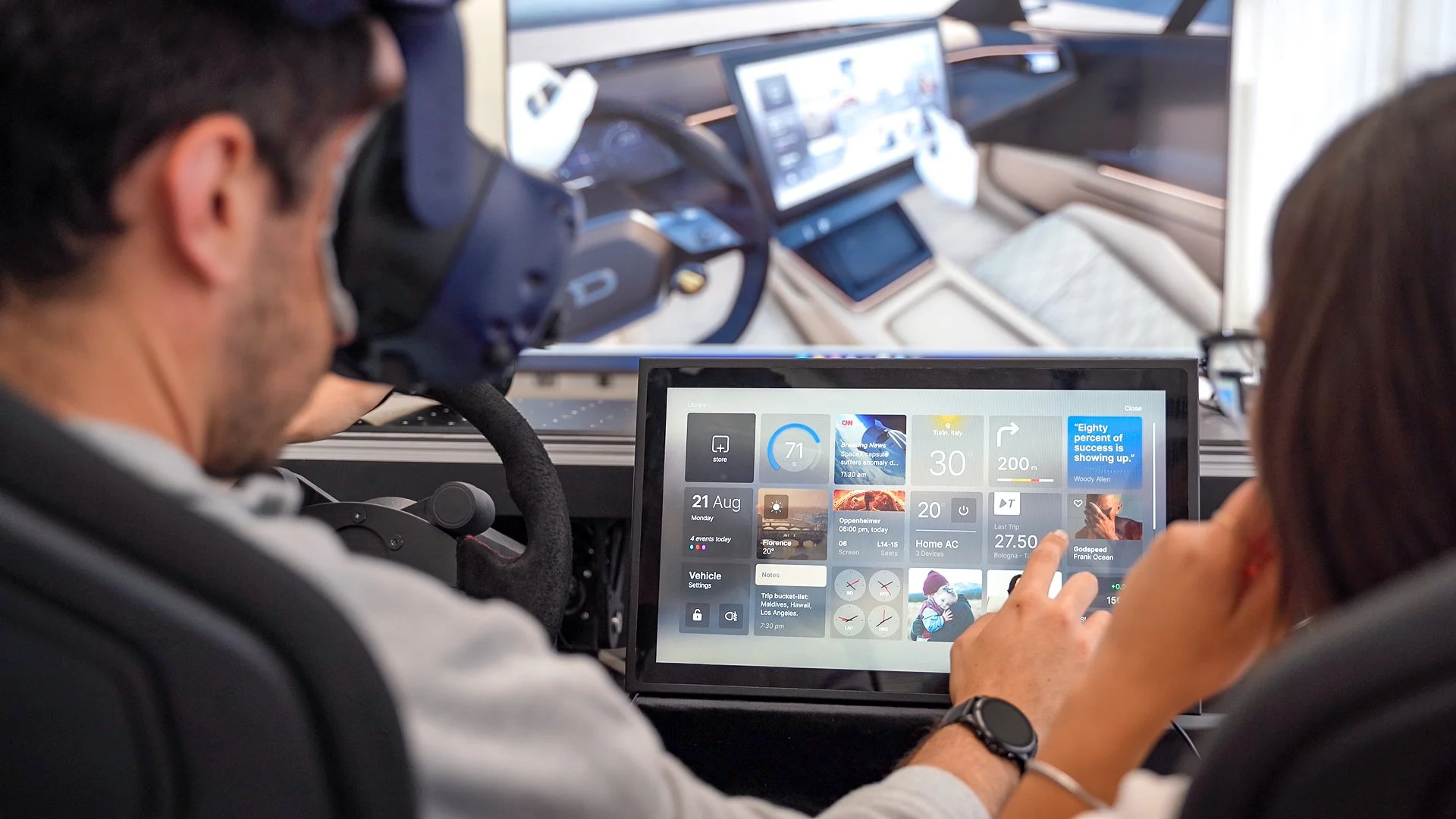
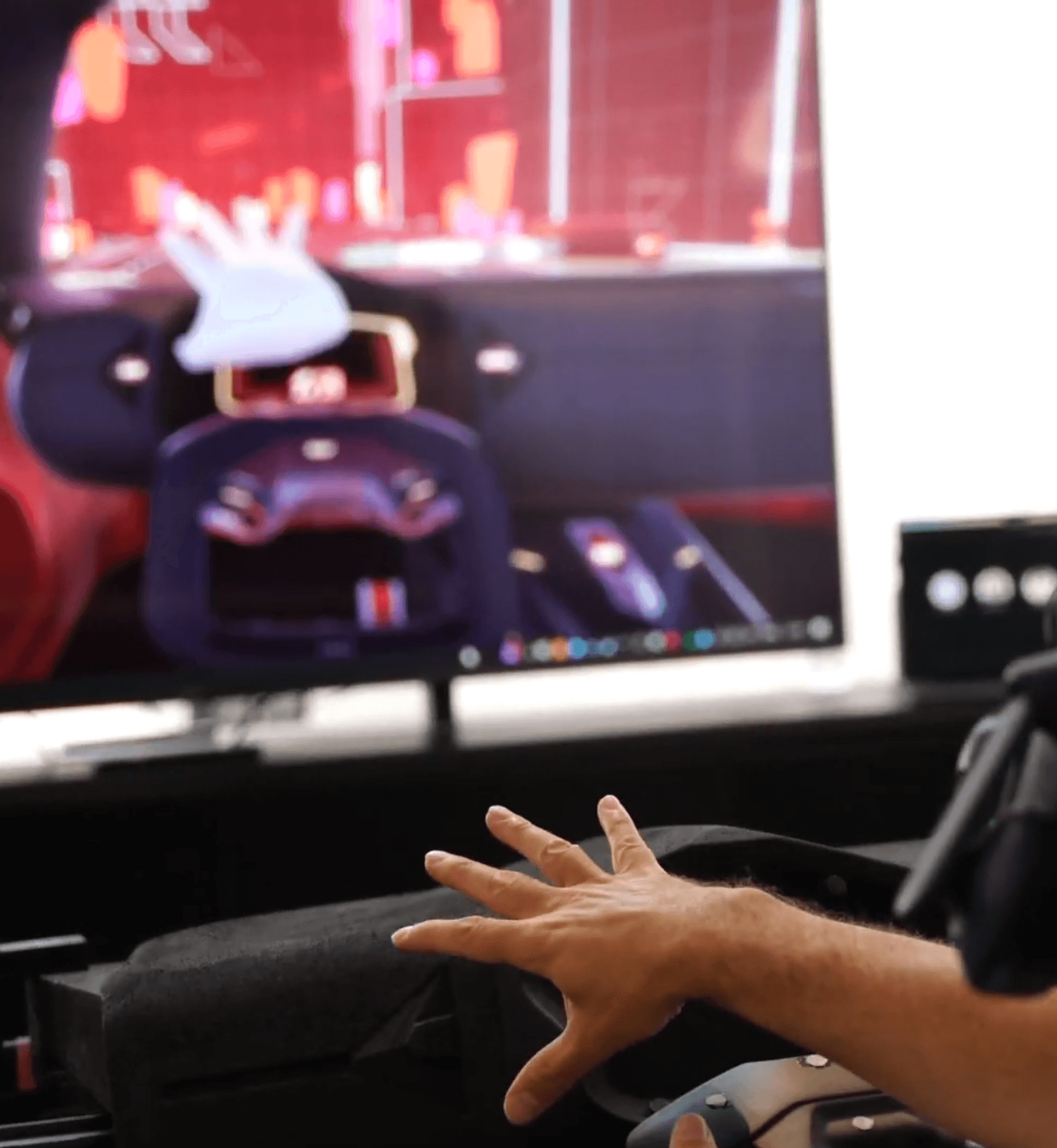
Our phygital design process starts with the people who use the product. Using immersive XR user testing, we developed a mini excavator concept as a fully functional prototype — refining ergonomics, visibility, comfort, safety, and interaction, all within real-world constraints.
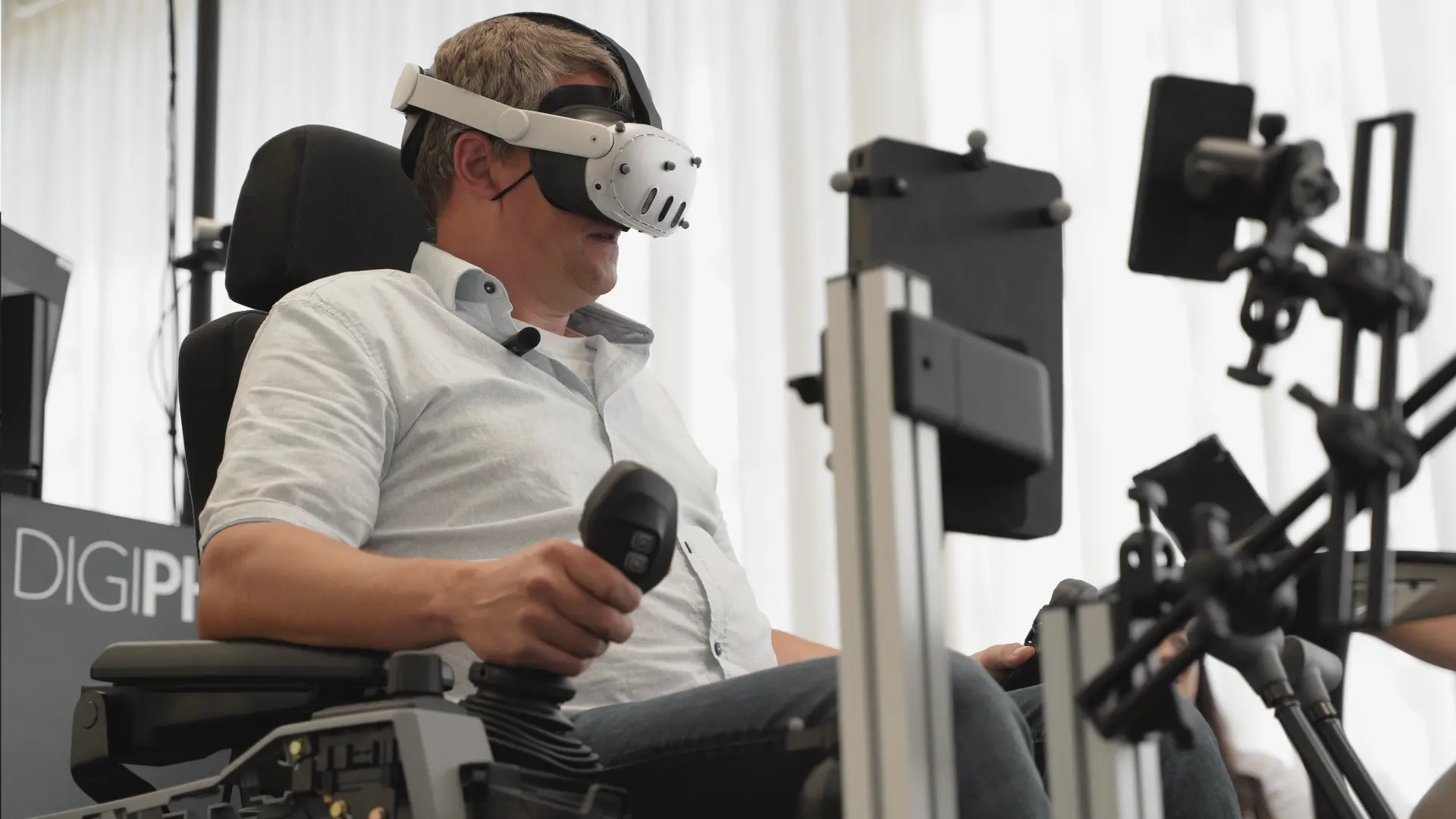
an immersive process that starts with the user
APPROACH
SENSE
Building on the “Solutions Beyond Machinery” vision introduced with Landcros One, and enriched by insights from XR user testing, the team was able to define new features grounded in real operator expectations and behaviors.
SHAPE
Following an XR-driven design process, concepts were created directly within a donor machine environment. This enabled an efficient, experience-based approach to continuously evaluate, refine, and adapt ideas, ensuring full compatibility with production constraints while maintaining design intent.
MAKE
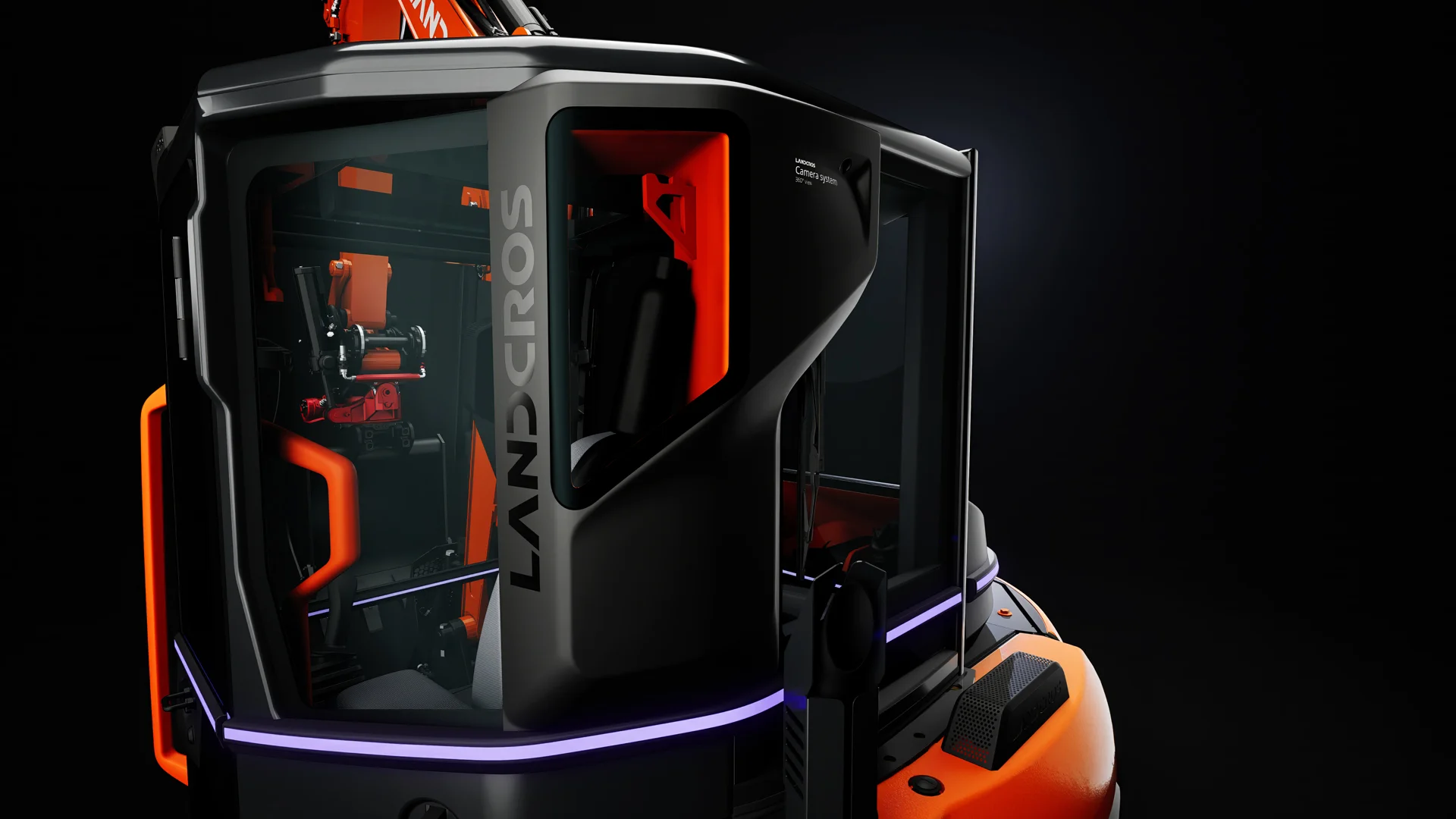
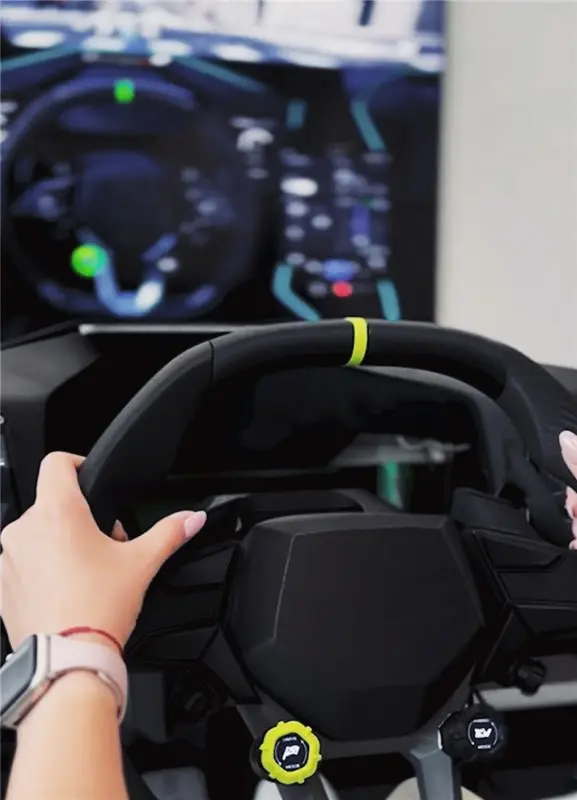
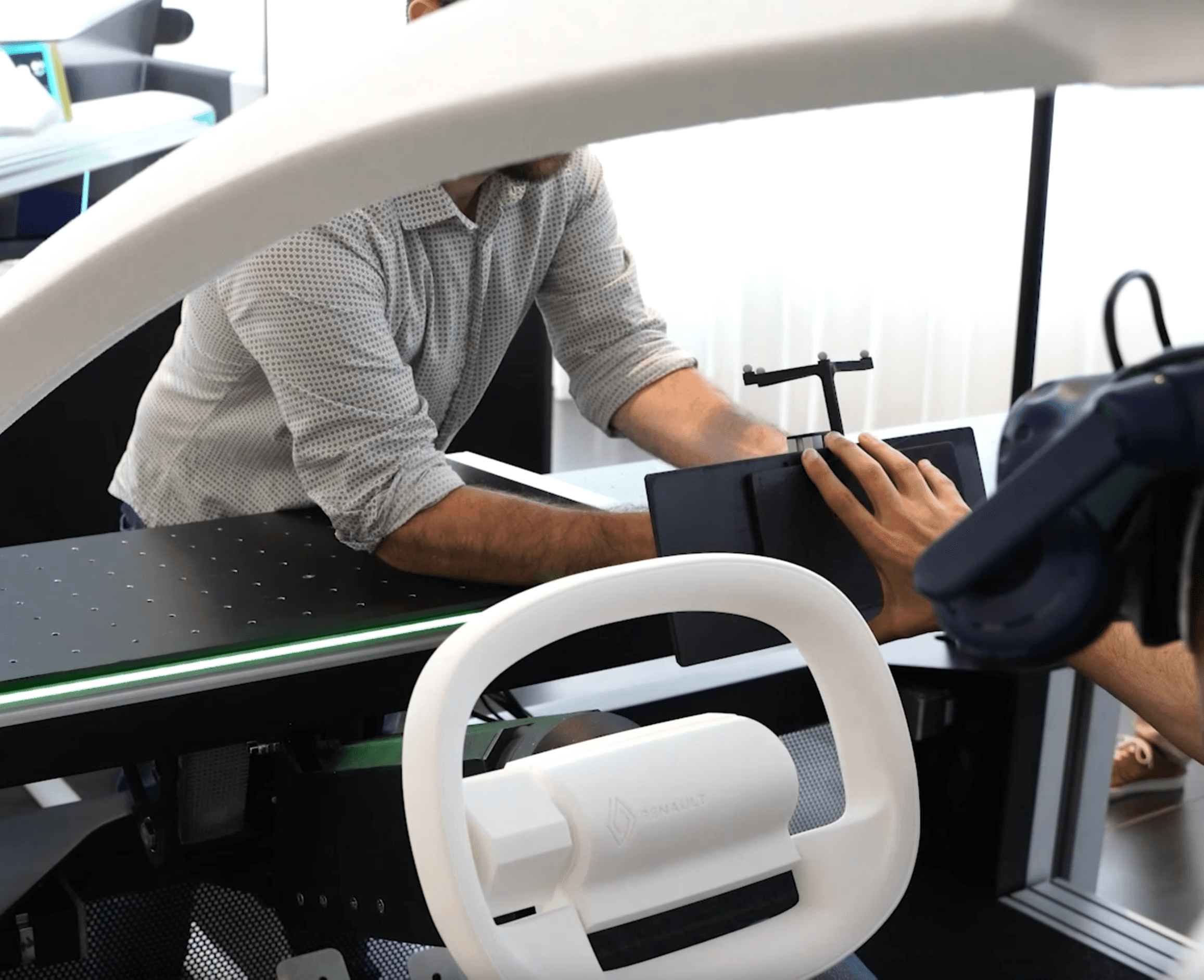
Selected concepts were developed into working prototypes, including active human detection through a mix of 360° camera system and AI, an expanding screen with a full interface demo, physical controllers, as well as sound and light design. In parallel, key improvements were introduced in spatial layout, ergonomics, and visibility to enhance overall operator performance and comfort.
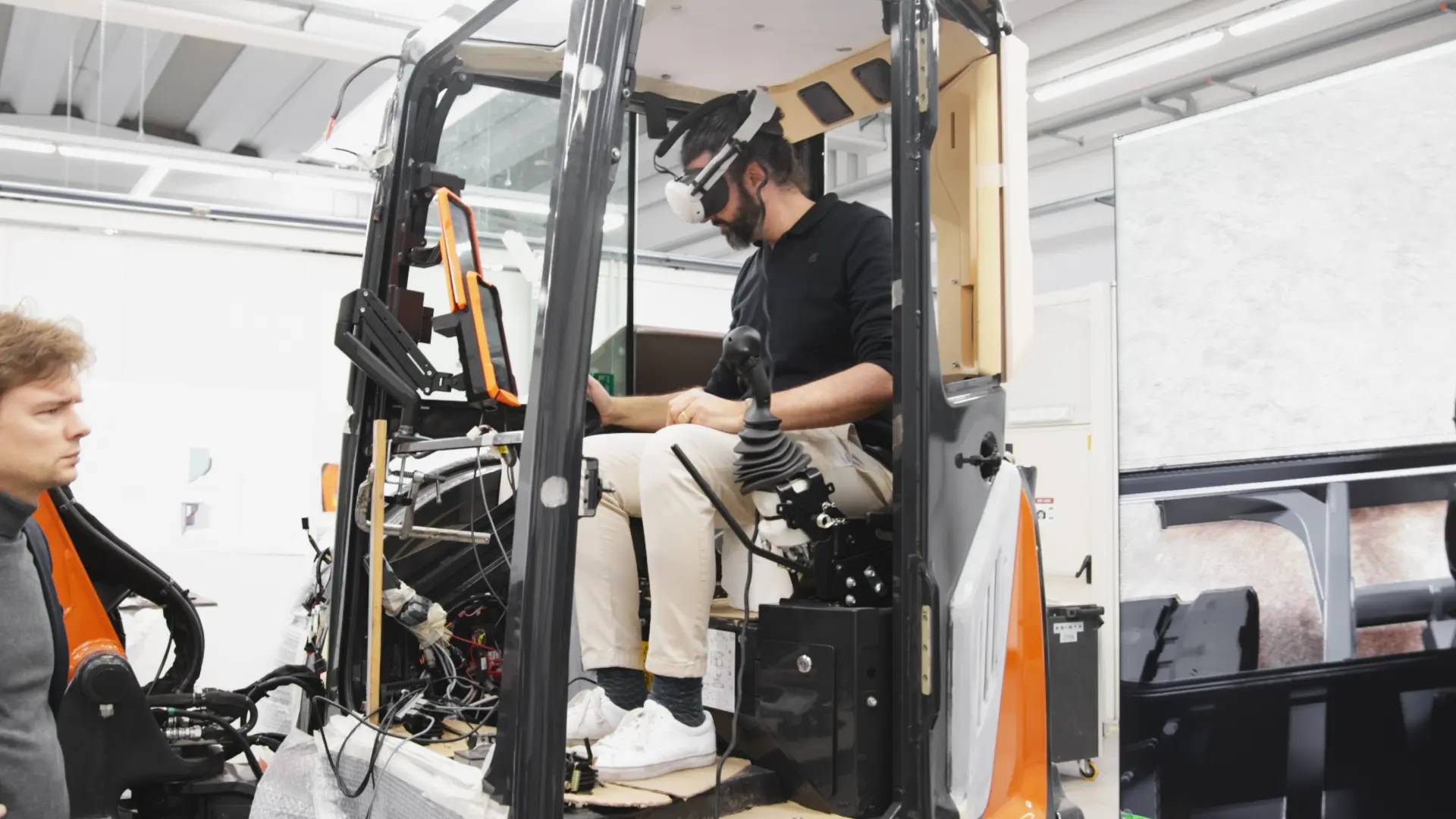
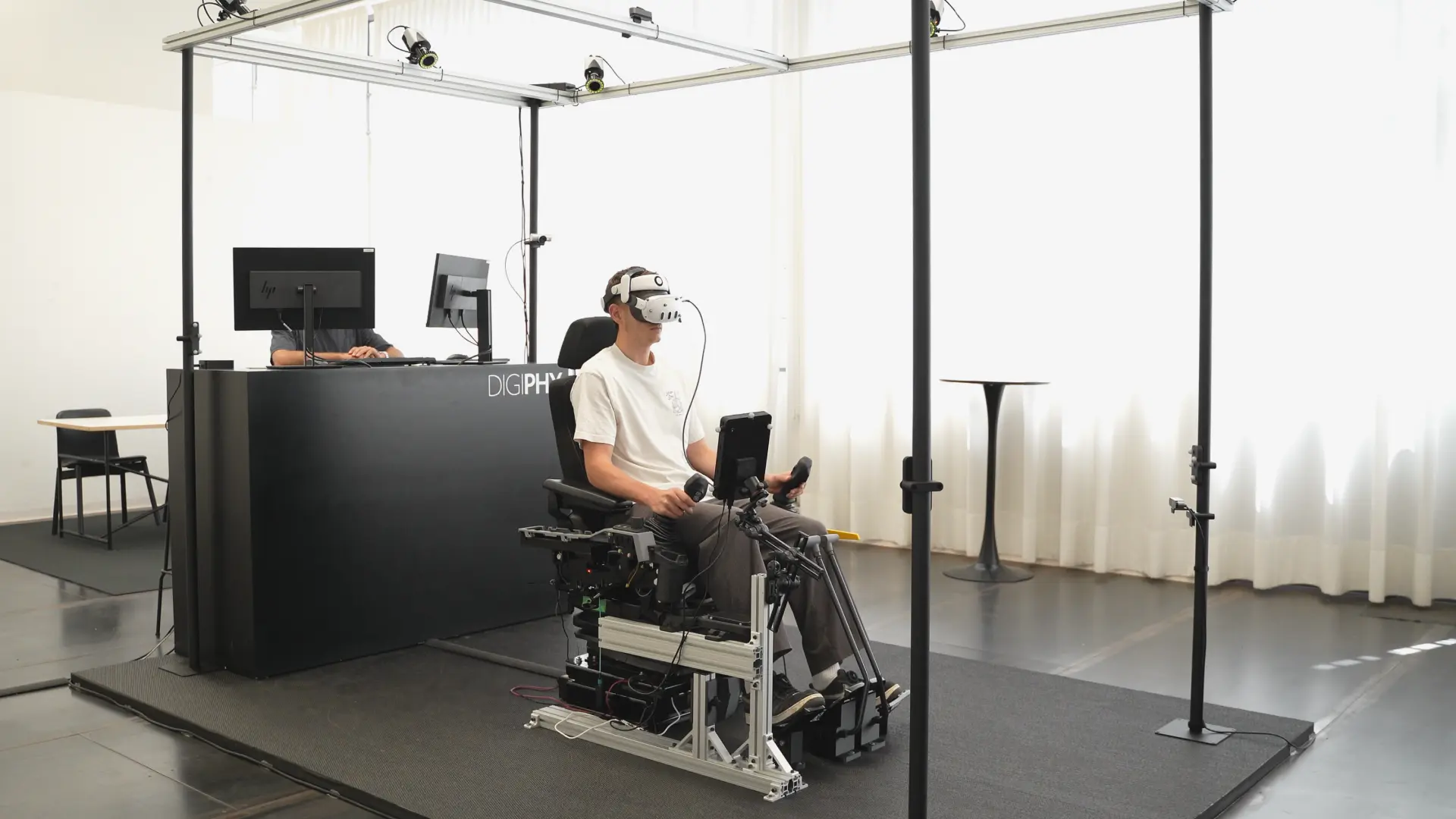

"Combining real components with XR, we validate a future excavator's experience before it's built — closing the gap between concept and reality."
OUTCOME
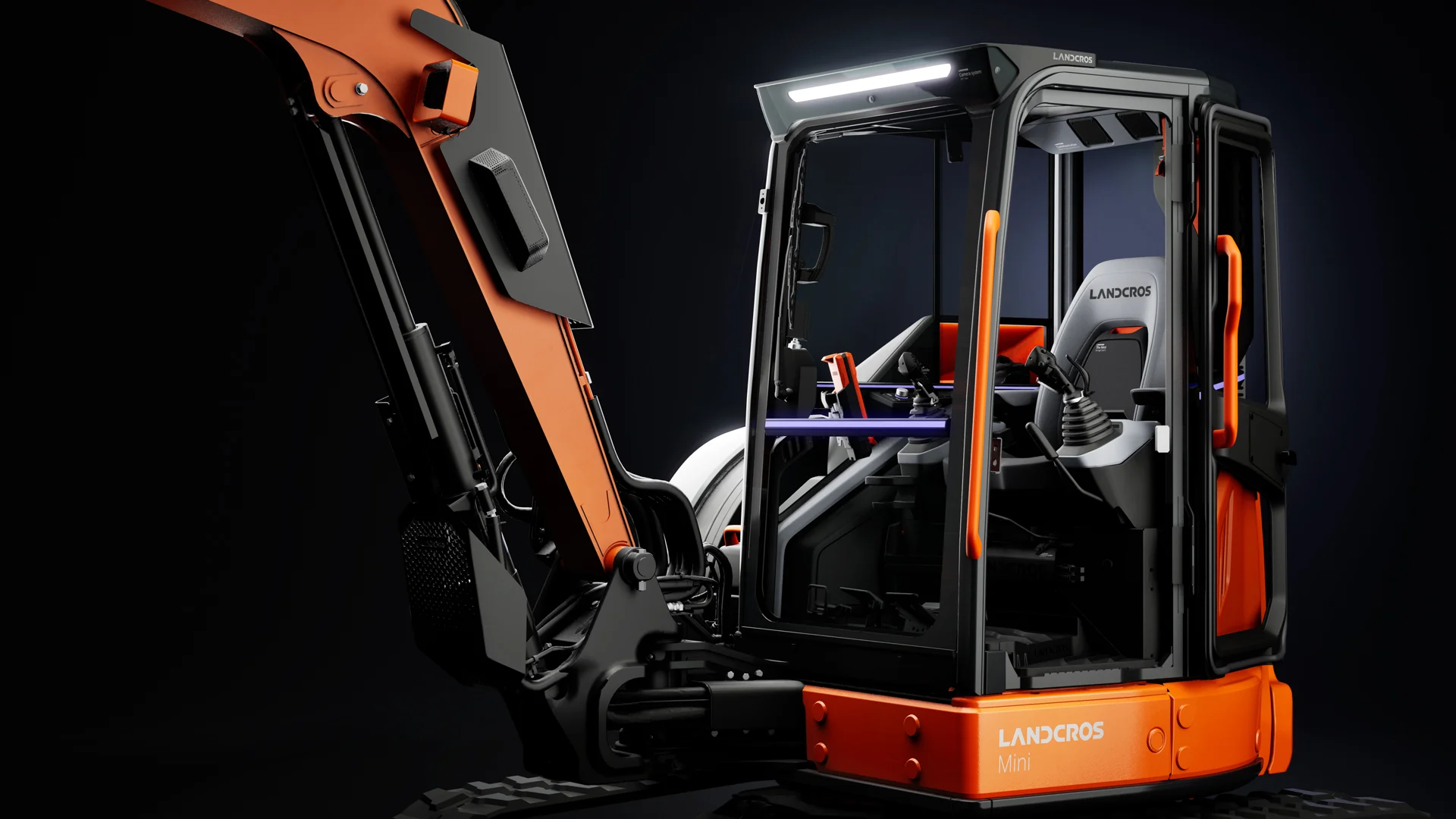
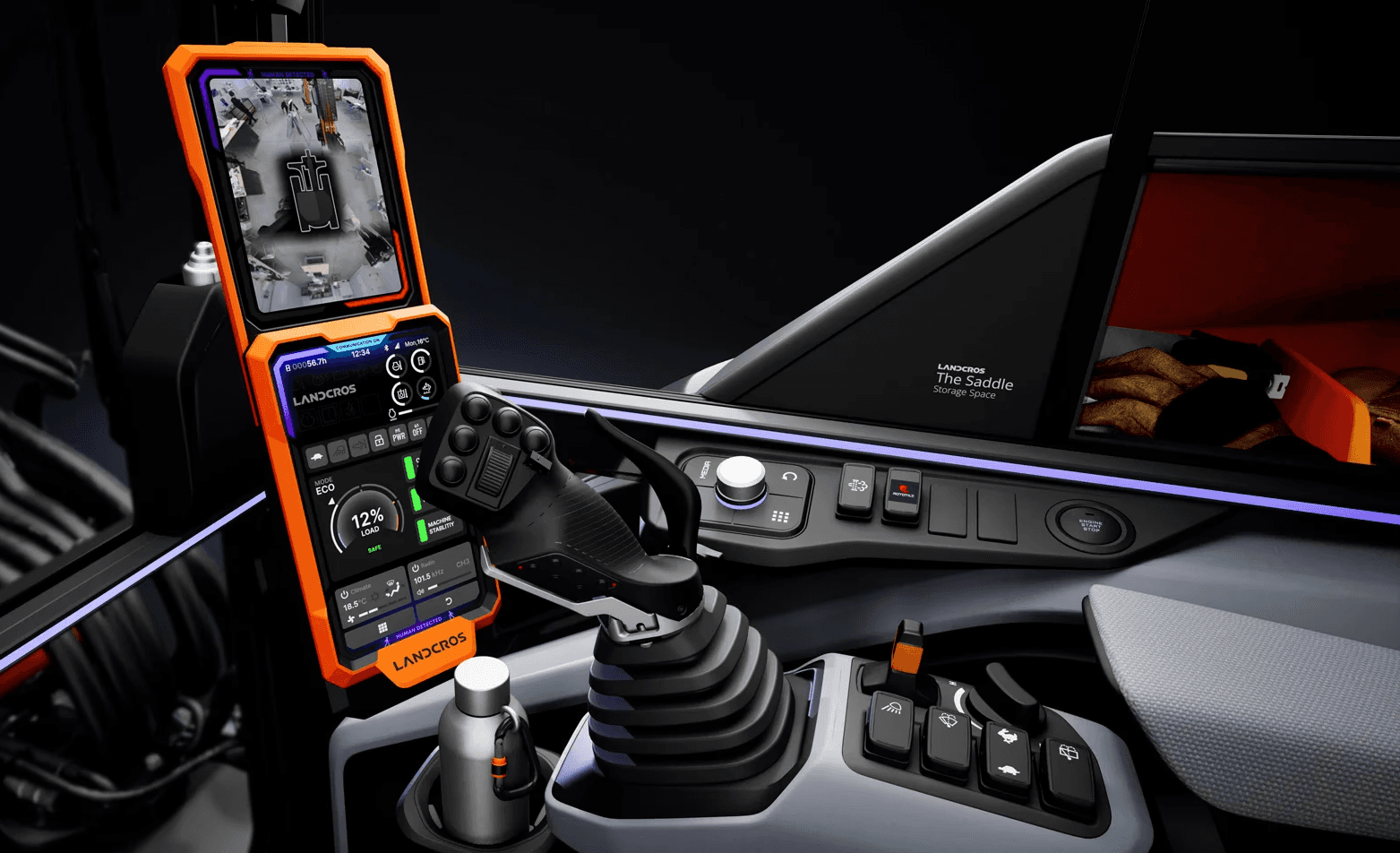
WHAT CHANGED
Redefining validation in industrial design
The project shifted design validation from late-stage prototyping to early immersive testing. By combining XR and real hardware, it enabled more realistic evaluation. The working prototype now serves a bigger purpose: gathering richer, deeper user feedback. By bringing the vision closer to the people who'll actually use it, the prototype becomes the ultimate source of insight — the foundation for shaping a genuinely user-driven future product.